
Blog
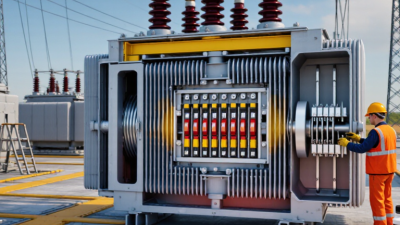
2026 Top Transformer Tap Changer Overhaul Guide
A transformer tap changer rarely fails without warning. Small oil leaks, carbonized contacts, or irregular voltage steps often appear first. In 2026, these details matter more as aging transformers support renewable generation, industrial loads, and unstable grid conditions. A careful Transformer Tap Changer Overhaul can restore operating confidence before minor defects become costly outages.
Martin J. Heathcote, author of The J&P Transformer Book, has emphasized this practical principle: “Reliable transformers depend on disciplined maintenance, not optimism.” His view remains relevant during tap changer inspections. Technicians must examine diverter switches, selector contacts, transition resistors, drive mechanisms, seals, and oil condition. A burnt contact may look harmless during a quick visual check. It is not.
This guide follows the workbench and the substation floor. It explains isolation planning, diagnostic testing, component measurement, contact replacement, drying, oil filtration, reassembly, and functional verification. Each stage requires documented values, clean tools, and controlled torque. Guesswork has no place here.
Yet overhaul decisions are not always perfect. A tap changer can pass a basic resistance test and still show mechanical wear. A clean oil sample may hide intermittent switching damage. That uncertainty deserves attention. Engineers should compare test results with service history, operating records, manufacturer limits, and previous inspection photographs.
The goal is not merely to make the mechanism move again. It is to confirm stable voltage regulation, safe switching, and dependable service under real electrical stress. Small errors remain possible. Strong procedures make them easier to detect.
Read more »
 By:Sophia
- October 21, 2026
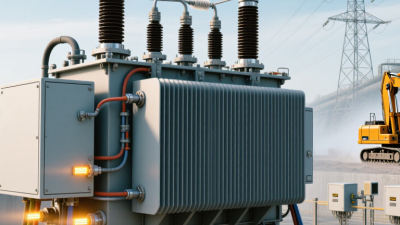
Top Industrial Power Transformer Manufacturers Worldwide
Industrial Power Transformers are the quiet backbone of modern electricity networks. They raise or reduce voltage across generation plants, substations, factories, and renewable energy sites. A failed unit can interrupt production, damage equipment, and create costly delays. Choosing a manufacturer, therefore, demands more than comparing catalogue prices.
This guide examines leading manufacturers worldwide through practical and technical criteria. We consider transformer capacity, voltage range, cooling systems, insulation design, efficiency, and application experience. We also review engineering depth, factory testing, delivery capability, installation support, and long-term maintenance. Reliable suppliers should provide clear test records, traceable materials, and documentation aligned with relevant IEC or IEEE requirements. Field performance matters too. A transformer operating beside a steel mill faces heat, vibration, dust, and frequent load changes.
Details reveal quality. Look for winding construction, oil preservation systems, monitoring sensors, noise control, and protection against moisture. Ask how the manufacturer manages spare parts and emergency repairs. Ask harder questions.
The companies discussed here serve different markets, so no single ranking fits every project. Some excel in ultra-high-voltage transmission, while others focus on compact industrial substations or customized renewable applications. Public information can also be incomplete, and marketing claims deserve independent verification. That limitation is worth admitting. Procurement teams should compare audited performance, lifecycle cost, local service coverage, and actual operating references before signing contracts. This approach supports safer decisions and helps buyers identify manufacturers capable of delivering dependable Industrial Power Transformers over decades, not merely at shipment.
Read more »
By:Sophia
- October 16, 2026
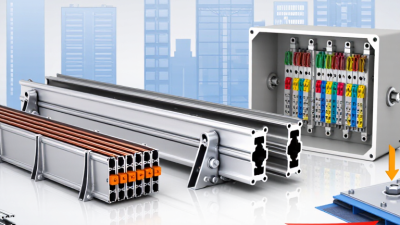
What Are the Top Electrical Busway Systems for Buyers?
Choosing among the top Electrical Busway Systems requires more than comparing catalog prices. Buyers must match the system with actual load demand, building layout, installation conditions, and future expansion plans. A compact sandwich busway may suit a data center corridor, while an air-insulated feeder system may better serve heavy industrial equipment. The difference is practical. It affects heat management, maintenance access, fire protection, and installation time.
This guide examines copper and aluminum conductors, plug-in units, tap-off boxes, enclosure ratings, and short-circuit withstand capacity. It also considers recognized requirements, such as IEC 61439, UL 857, and applicable local electrical codes. Certification matters. So does the manufacturer’s testing evidence, technical documentation, and service network. A trustworthy supplier should explain temperature-rise testing, ingress protection, joint design, and replacement procedures without hiding limitations.
No shortlist is perfect.
A buyer may prefer lower weight, but aluminum systems can require careful joint preparation. Copper offers strong conductivity, yet its cost and weight may challenge large projects. Installation teams also need clear torque values, alignment tools, and safe isolation procedures. These details are easy to overlook during procurement. Field performance depends on them. This article compares leading busway categories through a buyer-focused lens, balancing performance, reliability, lifecycle cost, and practical installation risk. Some recommendations will remain conditional, because site conditions rarely behave like a polished product brochure.
Read more »
By:Sophia
- October 11, 2026

What Are the Top China Low Voltage Switchgear Suppliers?
China has become a major manufacturing base for Low Voltage Switchgear, serving factories, commercial buildings, infrastructure projects, and renewable-energy systems. Yet identifying the “top” suppliers requires more than comparing prices or catalog sizes. Product reliability, design capability, certification quality, delivery performance, and technical support all matter.
Trevor Linsley, an electrical engineering author and educator, explains, “Switchgear is used to control, protect and isolate electrical equipment.” That simple statement reflects the practical responsibility of every supplier. A well-built panel should protect people, reduce downtime, and perform consistently under heat, dust, vibration, and fluctuating loads. Small details matter. Busbar spacing, enclosure sealing, circuit-breaker coordination, and terminal labeling can affect daily operation.
This guide examines leading Chinese Low Voltage Switchgear suppliers through an engineering and purchasing lens. It considers manufacturers’ experience, factory capabilities, testing procedures, IEC 61439 compliance, customization capacity, export record, and after-sales service. Some companies excel in standardized distribution boards. Others are stronger in intelligent systems, motor-control centers, or industrial automation integration. No supplier is perfect.
That deserves attention.
A polished website does not prove manufacturing strength. Likewise, a low quotation may hide weaker components, limited documentation, or slower support. Buyers should request test reports, drawings, reference projects, and clear warranty terms before selecting a partner. The rankings and comparisons in this article are therefore practical rather than absolute, helping readers match supplier capabilities with project risk, electrical requirements, and long-term operating expectations.
Read more »
 By:Elena
- October 6, 2026
7 Tips for Buying Package Unit Transformers?
Buying Package Unit Transformers is not simply a matter of comparing prices and choosing the largest rating. These units support heating, cooling, ventilation, and other building systems, so a poor decision can affect comfort, energy use, and maintenance costs. In practical projects, the nameplate may look suitable, while the actual electrical load tells a different story. Voltage, phase, frequency, capacity, impedance, and available fault current deserve careful review before requesting a quotation.
This guide presents seven practical tips for selecting Package Unit Transformers with greater confidence. Start by confirming the equipment’s real operating requirements, including starting currents and seasonal demand. Then examine enclosure construction, cooling conditions, sound levels, connection points, and installation space. A transformer placed near rooftop equipment may face heat, moisture, dust, and vibration. Small details matter. Ask suppliers for test reports, efficiency data, certifications, warranty terms, and documented technical support. Reliable manufacturers should explain their assumptions instead of hiding them behind a catalog number.
Cost still matters, but the lowest purchase price can become expensive after installation. Consider transport, lifting, cabling, protection devices, inspection, and future servicing. An experienced electrical contractor or qualified engineer can verify compatibility before delivery. Even careful buyers can miss something. I have seen projects change after a late load calculation or an unexpected site restriction. That is why written specifications, clear drawings, and a final technical review remain valuable. The right choice should fit the building, the operating environment, and the people responsible for maintaining it.
Read more »
 By:Isabella
- October 1, 2026

What Are the Top Package Substation Types in 2026?
Package Substations are compact, factory-assembled units that bring transformers, switchgear, protection, and control equipment together. In 2026, choosing the right type means looking beyond the product label. A utility project, a solar farm, and a factory may need very different layouts, voltage levels, cooling methods, and access for maintenance.
This guide compares the main types of Package Substations and the conditions each one suits. It will examine indoor and outdoor designs, compact and walk-in enclosures, and units configured for distribution, renewable energy, or industrial loads. The details matter: a coastal site may need stronger corrosion protection, while a tight urban plot can make footprint and cable entry decisive. A substation that fits neatly on a drawing may still be awkward to service. That deserves scrutiny.
Reliable guidance also depends on trustworthy sources. No source articles or verifiable expert quotation were provided, so attributing a direct quote to a named industry specialist would risk inventing one. Rather than imply otherwise, this introduction focuses on practical selection criteria. The comparisons ahead will consider capacity, safety features, environmental conditions, installation constraints, and lifecycle maintenance. They should help readers ask better questions—not assume one design is best for every project.
Read more »
By:Isabella
- September 26, 2026
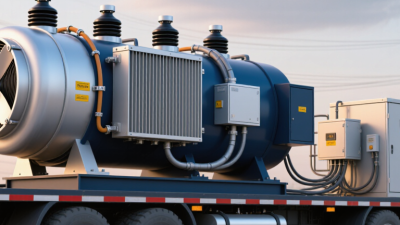
Best Mobile Substation Transformers Suppliers in China?
Choosing the Best Mobile Substation Transformers Suppliers in China requires more than comparing prices or browsing polished product pages. These systems support temporary power restoration, planned maintenance, construction sites, and emergency grid reinforcement. A dependable supplier must understand both transformer engineering and transport realities.
John D. McDonald, a respected power-system engineering specialist, has emphasized a practical principle: “Reliability depends on designing for the conditions the system will actually face.” That idea fits Mobile Substation Transformers closely. A unit may look excellent in a factory photograph, yet fail expectations if its voltage class, impedance, cooling method, or road dimensions are unsuitable. Field conditions matter. Mud, heat, tight access roads, and rushed commissioning can expose weak planning.
This guide examines Chinese suppliers through measurable details. These include rated capacity, insulation design, noise control, protection equipment, factory testing, and delivery support. It also considers mobile platforms, cable arrangements, control cabinets, and compatibility with local grid standards. Certifications help, but they do not tell the whole story. Test reports must be reviewed carefully. References from similar projects are even more valuable.
Some comparisons remain imperfect. Public supplier information can be incomplete or heavily promotional. That is why buyers should request drawings, test records, warranty terms, spare-parts plans, and commissioning procedures. The best supplier is not always the largest. It is the one that communicates clearly, documents its claims, and responds responsibly when conditions change. Reliability is demonstrated in details, not slogans.
Read more »
By:Isabella
- September 21, 2026

How to Choose Renewable Energy Transformers?
Choosing Renewable Energy Transformers requires more than comparing nameplate ratings and purchase prices. Solar farms, wind parks, and battery sites create different electrical conditions. Output can change quickly with sunlight, wind speed, and storage dispatch. A transformer must handle these variations without excessive heat, noise, or premature insulation aging.
This guide examines practical selection factors for Renewable Energy Transformers. These include capacity, voltage ratio, impedance, cooling method, insulation system, and installation environment. Engineers should review inverter behavior, harmonic levels, fault conditions, and expected load growth. A unit beside a dusty solar field may need stronger enclosure protection. A coastal wind project may require careful corrosion control. Small details matter.
Standards provide a useful foundation, but they cannot replace site-specific judgment. Project teams should verify IEC or IEEE requirements, local grid codes, testing records, and manufacturer quality controls. Independent inspection can reveal weaknesses before delivery. Ask for temperature-rise data, routine test reports, efficiency information, and evidence from comparable projects. No checklist is perfect. Real operating conditions may expose assumptions that looked reasonable during design.
Reliable decisions also consider maintenance access, spare parts, transport limits, fire protection, and total ownership cost. The cheapest transformer may demand costly repairs later. Conversely, an oversized unit can increase losses and waste capital. A balanced evaluation connects technical performance with long-term serviceability. With careful analysis and honest review, developers can choose equipment that supports stable renewable generation and safer grid integration.
Read more »
By:Elena
- September 16, 2026

2026 Best Oil and Gas Transformers for Global Buyers?
In the dynamic landscape of the oil and gas industry, efficiency and reliability are crucial. One key component driving this success is Oil and Gas Transformers. These transformers play a vital role in managing high energy demands. They ensure stable operations across various applications.
As global buyers seek the best options, understanding the market becomes essential. The right transformer does not only enhance productivity but also influences long-term operational costs. Buyers must navigate numerous choices, each claiming to offer superior performance.
The challenge is selecting high-quality transformers that meet specific requirements. Some products may not live up to expectations. Reliability in performance can vary widely among manufacturers. Therefore, informed decision-making is critical for successful investments in oil and gas transformers.
Read more »
By:Isabella
- August 22, 2026
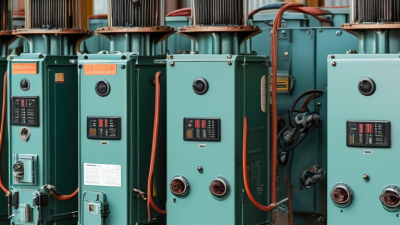
How to Choose the Best Power Distribution Transformers?
Selecting the right Power Distribution Transformers is crucial for efficient electrical systems. In 2022, the global market for these transformers saw a significant growth rate of 6.5%. This was driven by the increasing demand for reliable power supply around the world. Power Distribution Transformers play a vital role in energy management and distribution.
Experts emphasize the importance of understanding specific application needs when choosing transformers. The wrong choice can lead to inefficiencies, affecting not only energy consumption but also operational costs. Reports indicate that poorly selected transformers can result in up to 30% higher energy use. Investing in appropriate equipment is essential for long-term savings.
However, despite advancements, many facilities still overlook details. Choices often rely heavily on price rather than performance and reliability. Understanding technical specifications becomes a challenge for stakeholders. Ensuring compliance with industry standards adds another layer of complexity. Decision-makers must balance immediate budget constraints with long-term operational efficiency.
Read more »
By:Isabella
- August 22, 2026
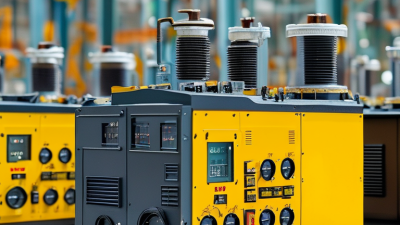
Top 10 Cast Resin Dry Type Transformers for Global Buyers?
As the demand for electricity rises globally, the need for reliable power solutions grows. Among these solutions, Cast Resin Dry Type Transformers stand out due to their efficiency and safety. They are widely used in various applications, from industrial settings to commercial buildings. However, not all Cast Resin Dry Type Transformers are created equal, and selecting the right one can be challenging.
In this guide, we will explore the top 10 Cast Resin Dry Type Transformers available to global buyers. Each transformer on our list has been analyzed based on performance, durability, and feedback from industry experts. With the right knowledge, buyers can make informed choices that align with their specific needs and budgets.
Investing in a quality transformer ensures long-term operational success. Yet, it’s essential to recognize limitations. Each option may not suit every situation. By understanding these nuances, buyers can navigate their choices with greater confidence and clarity.
Read more »
By:Elena
- August 22, 2026