Industry Knowledge & Technical Insights

Power Transformer Insights & Technical Articles

Explore expert perspectives, maintenance guides, and technological advances in power & distribution transformers.

Renewable Integration

Solar & Wind Transformer Innovations

Technical articles focusing on step-up transformer design for modern renewable energy projects.

Industrial Excellence

Oil & Gas Transformer Applications

Best practices and safety standards for robust transformer operation in extreme environmental conditions.

Quality & Compliance

IEC & ANSI Testing & Standards

In-depth reviews on quality control, insulation analysis, and life-cycle assessment of high voltage transformers.

0%

As the demand for electricity rises globally, the need for reliable power solutions grows. Among these solutions, Cast Resin Dry Type Transformers stand out due to their efficiency and safety. They are widely used in various applications, from industrial settings to commercial buildings. However, not all Cast Resin Dry Type Transformers are created equal, and selecting the right one can be challenging.

In this guide, we will explore the top 10 Cast Resin Dry Type Transformers available to global buyers. Each transformer on our list has been analyzed based on performance, durability, and feedback from industry experts. With the right knowledge, buyers can make informed choices that align with their specific needs and budgets.

Investing in a quality transformer ensures long-term operational success. Yet, it’s essential to recognize limitations. Each option may not suit every situation. By understanding these nuances, buyers can navigate their choices with greater confidence and clarity.
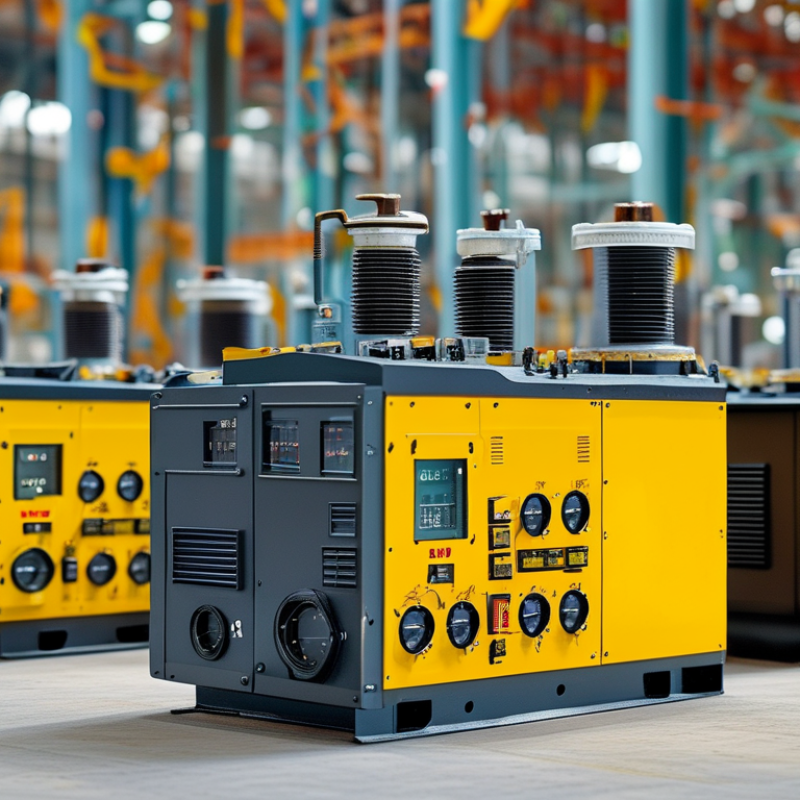
Top 10 Cast Resin Dry Type Transformers for Global Buyers?

Overview of Cast Resin Dry Type Transformers and Their Applications

Cast resin dry type transformers are crucial for many industries. They function effectively in various environments. Unlike oil-filled transformers, they don’t pose fire hazards. This makes them ideal for urban areas. Their robust design allows for outdoor and indoor use. They thrive in harsh conditions, including dust and moisture. This versatility enhances their appeal to global buyers.

Applications for casting resin transformers are broad. They are common in commercial buildings and industrial facilities. They serve as reliable power supply solutions in schools and hospitals. The transformers can support renewable energy systems as well. However, there are challenges. They can be heavier than other transformers. This can complicate installation. Some installations may require specific structural support.

Despite these considerations, their advantages often outweigh the drawbacks. They have a long lifespan, reducing maintenance costs over time. Additionally, their environmental benefits align with sustainability goals. As industries evolve, the demand for efficient transformers continues to rise. It's essential for buyers to evaluate their specific needs carefully. Making informed decisions will ultimately lead to better outcomes.

Key Features to Consider When Selecting Cast Resin Dry Type Transformers

When selecting cast resin dry type transformers, certain features stand out. One key element is their environmental resistance. According to industry reports, these transformers can withstand harsh climates better than traditional systems. Their insulation systems are made of epoxy resin, offering exceptional moisture and pollution resistance. This characteristic enhances their lifespan significantly. A study from the International Electrotechnical Commission highlighted a lifespan improvement of up to 30% in specific environments.

Another crucial aspect is efficiency. Cast resin transformers typically display lower losses compared to oil-filled models. Data shows that they can achieve efficiencies above 98%. This is crucial for operational cost reductions over time. However, installation and maintenance can be more complex. Users must consider these factors carefully.

Fire safety is another important consideration. Cast resin transformers are non-flammable, reducing fire risks. This makes them particularly suitable for urban settings and facilities with strict safety codes. Yet, despite safety benefits, upfront costs tend to be higher than traditional transformers. This is an important factor for budget-conscious buyers. An understanding of these features ensures well-informed decision-making in a competitive market.

Top 10 Global Manufacturers of Cast Resin Dry Type Transformers

When discussing the top manufacturers of cast resin dry type transformers, it is essential to understand their role in the electrical industry. Cast resin transformers are known for their durability and safety. These devices are resistant to environmental factors, making them ideal for outdoor installations. Their construction allows for efficient heat dissipation. However, not all manufacturers follow the same quality standards, which can lead to discrepancies in performance.

Key players in the market demonstrate varying levels of expertise. Some companies focus on advanced technology and materials, while others may rely on traditional methods. This variation can affect reliability and overall efficiency. Many buyers face challenges in assessing the suitability of different products for their needs. This often requires extensive research and consultation with industry experts to make informed decisions.

Selecting a cast resin dry type transformer is not just about specifications; it is also about the manufacturer’s reputation. Buyers should consider certifications and customer feedback before purchasing. Engaging with other users’ experiences can provide insights that specifications alone cannot. In this ever-evolving market, being aware of different manufacturing practices is crucial for making sound investment choices.

Comparison of Performance and Reliability Among Top Brands

When selecting cast resin dry-type transformers, performance and reliability are key factors. Recent industry data indicates that these transformers typically offer better insulation and environmental resilience compared to their oil-filled counterparts. According to a report by MarketsandMarkets, the global dry-type transformer market was valued at approximately $3.56 billion in 2022, with expectations of sustained growth due to increased demand for energy-efficient systems.

Another critical aspect is the durability of these transformers. Statistics show that cast resin transformers can last up to 30 years with proper maintenance. Their robustness against harsh conditions enhances their reliability in urban infrastructure and industrial applications. However, not all models perform equally. Some designs may underperform in extremely high-temperature settings, requiring careful consideration during selection.

Understanding manufacturer specifications is crucial. Look for certifications that guarantee quality and safety standards. Consider potential limitations, such as load management. Effective load distribution can significantly influence a transformer's performance stability. Keep in mind that not every model is suited for all applications. Continuous research and awareness of evolving technologies will help in making informed decisions.

Future Trends in Cast Resin Dry Type Transformer Technology

The evolving landscape of cast resin dry type transformers reflects the ongoing advancements in electrical technology. As the push for sustainable energy sources grows, these transformers are increasingly favored for their environmental benefits. According to a recent industry report, the global market for cast resin transformers is projected to reach $3.5 billion by 2026, driven by their operational efficiency and reduced carbon footprint.

Future trends in this technology include enhanced cooling methods and improved insulation materials. Innovations in epoxy resin formulations can lead to higher performance in varying environmental conditions. Notably, research indicates that transformers utilizing these advanced materials can operate at temperatures up to 130°C. However, there is a need for continual evaluation. The longevity of new materials must be balanced against their cost-effectiveness.

As the demand for smarter grids increases, the integration of IoT capabilities in dry type transformers is on the rise. This connectivity enables real-time monitoring and predictive maintenance. Yet, the implementation of such technology invites questions regarding cybersecurity and system vulnerabilities. Stakeholders must navigate these complexities as they embrace new approaches in transformer technology.

Top 10 Cast Resin Dry Type Transformers for Global Buyers - Future Trends in Cast Resin Dry Type Transformer Technology

Rank Transformer Type Power Rating (kVA) Efficiency (%) Cooling Method Key Feature
1 Class H 2500 98.5 Natural Air Low Loss
2 Class F 2000 98.0 Natural Air Compact Design
3 Class B 1500 97.5 Forced Air High Performance
4 Class H 1000 98.8 Natural Air Weather Resistant
5 Class F 500 97.0 Natural Air Easy Maintenance
6 Cast Resin 750 98.3 Natural Air Environmentally Friendly
7 Class H 3000 99.0 Natural Air High Safety
8 Cast Resin 1250 97.8 Forced Air Robust Construction
9 Class F 1800 98.6 Natural Air Low Noise
10 Class B 600 96.5 Forced Air Cost Effective

FAQS

: What are cast resin dry type transformers known for?

: They are recognized for their durability and safety in electrical applications.

Why are cast resin transformers suitable for outdoor use?

Their construction makes them resistant to environmental factors.

How does manufacturer reputation impact transformer selection?

A manufacturer’s reputation can influence reliability and product quality.

What is a critical aspect buyers should assess?

Certifications and customer feedback help evaluate product suitability.

What should you consider regarding performance in transformers?

Load management significantly affects performance stability and reliability.

How long can cast resin transformers last with proper maintenance?

They can last up to 30 years under good maintenance practices.

What future trends are emerging in this technology?

Enhanced cooling methods and improved insulation materials are being developed.

What role does IoT play in modern transformer technology?

IoT enables real-time monitoring and predictive maintenance for better efficiency.

What challenges come with integrating new technologies?

Cybersecurity concerns and system vulnerabilities are significant issues to address.

Why is continuous research important in transformer selection?

It helps stay updated on evolving technologies and their effectiveness.

Conclusion

Cast Resin Dry Type Transformers are an essential component in various applications due to their durability and efficiency. These transformers are designed to operate in environments where moisture and pollution are concerns, making them suitable for urban areas, industrial sites, and renewable energy projects. When selecting a Cast Resin Dry Type Transformer, buyers should consider key features such as insulation class, cooling methods, and maintenance requirements to ensure optimal performance and reliability.

The global market for Cast Resin Dry Type Transformers is continuously evolving, with many manufacturers innovating to enhance their products’ performance and sustainability. A comparative analysis of the top brands reveals differences in reliability, efficiency, and advanced technological features, which are vital for making informed purchasing decisions. As the industry progresses, future trends indicate a shift towards smarter, more eco-friendly transformers that meet growing energy demands while minimizing environmental impact.

Elena

Elena

Elena is a dedicated marketing professional with an exceptional understanding of the company's products and services. With a keen eye for detail and a passion for effective communication, she regularly updates the company’s specialized blog, ensuring that clients and stakeholders are well-informed......