
Power Transformer Insights & Technical Articles
Explore expert perspectives, maintenance guides, and technological advances in power & distribution transformers.
Solar & Wind Transformer Innovations
Technical articles focusing on step-up transformer design for modern renewable energy projects.
Oil & Gas Transformer Applications
Best practices and safety standards for robust transformer operation in extreme environmental conditions.
IEC & ANSI Testing & Standards
In-depth reviews on quality control, insulation analysis, and life-cycle assessment of high voltage transformers.
2026 Best Oil and Gas Transformers for Global Buyers?
Table of Contents
- 2026 Overview of Oil and Gas Transformers in the Global Market
- Key Features and Specifications of Leading Oil and Gas Transformers
- Top Manufacturers and Brands of Oil and Gas Transformers in 2026
- Market Trends Influencing Oil and Gas Transformer Purchases Globally
- Considerations for Buyers When Selecting Oil and Gas Transformers
- FAQS
- Conclusion
- Related Posts
In the dynamic landscape of the oil and gas industry, efficiency and reliability are crucial. One key component driving this success is Oil and Gas Transformers. These transformers play a vital role in managing high energy demands. They ensure stable operations across various applications.
As global buyers seek the best options, understanding the market becomes essential. The right transformer does not only enhance productivity but also influences long-term operational costs. Buyers must navigate numerous choices, each claiming to offer superior performance.
The challenge is selecting high-quality transformers that meet specific requirements. Some products may not live up to expectations. Reliability in performance can vary widely among manufacturers. Therefore, informed decision-making is critical for successful investments in oil and gas transformers.
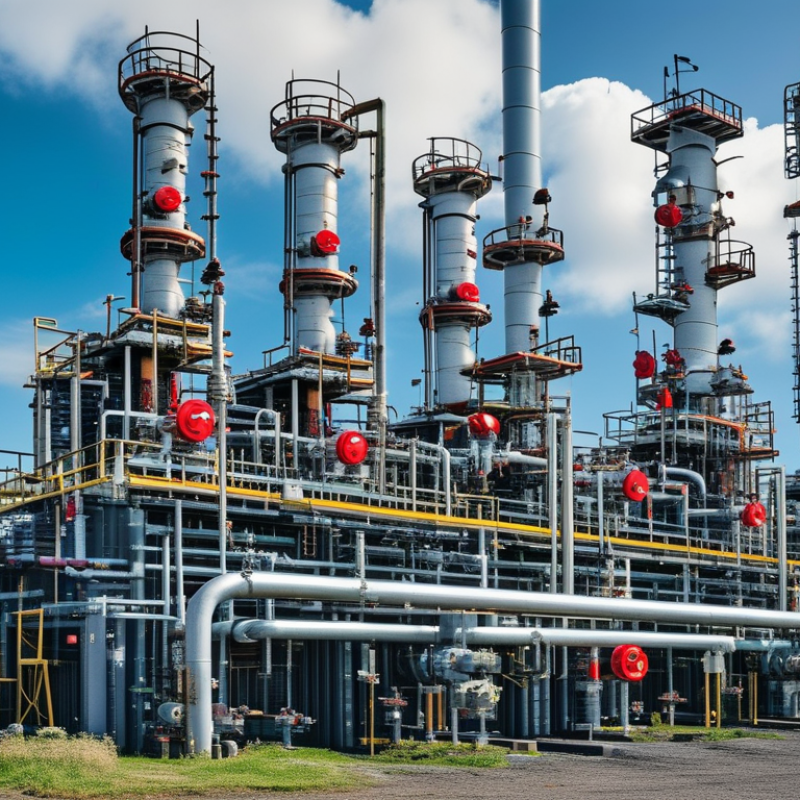
2026 Overview of Oil and Gas Transformers in the Global Market
As the global market for oil and gas transformers evolves, various trends are emerging. An increasing emphasis on energy efficiency is notable. This shift aims to reduce operational costs and minimize environmental impact. Modern transformers are being designed for enhanced performance, aiming for longer lifespans and lower maintenance needs.
Technological advancements are shaping the industry as well. Innovations in materials and designs are leading to products that can withstand harsh conditions. The rise of smart transformers is another significant trend. These devices leverage IoT technology, allowing for real-time monitoring and data analysis. This capability can improve decision-making and operational efficiency.
Moreover, the market faces challenges, such as fluctuating demand and regulatory pressures. Buyers must remain informed and adapt to these changes. Continuous assessment of supplier reliability and product specifications is essential. In navigating this market landscape, decision-makers should reflect on current practices. They might ask if their choices align with sustainability goals. Understanding these dynamics will empower global buyers in their procurement strategies.
Key Features and Specifications of Leading Oil and Gas Transformers
The oil and gas industry demands transformers that meet rigorous operational standards. These transformers need durability and efficiency to handle extreme conditions. According to recent industry reports, the global oil and gas transformer market is projected to grow at a CAGR of 5.3% from 2023 to 2029. This growth reflects the increasing need for advanced electrical equipment in demanding environments.
Key features often include high short-circuit strength and excellent thermal performance. Many leading models support a wide range of voltages, enhancing their adaptability for various installations. Reports indicate that transformers with integrated monitoring systems can improve reliability by up to 20%. This capability allows for real-time data analysis, which is crucial for maintenance and operational efficiency.
However, the reliance on technology also poses challenges. Some transformers still face issues with overheating or compatibility in harsh settings. The complexity of these systems can lead to installation errors if not handled correctly. Addressing these imperfections is essential for enhancing the overall performance of oil and gas transformers. Ensuring high-quality materials and designs remains a priority as the industry evolves.
2026 Best Oil and Gas Transformers for Global Buyers
| Model | Power Rating (MVA) | Voltage Class (kV) | Cooling Type | Efficiency (%) | Weight (kg) |
|---|---|---|---|---|---|
| T-1000 | 100 | 36 | oil-immersed | 98.5 | 1200 |
| T-2000 | 200 | 72.5 | dry-type | 98.0 | 1500 |
| T-3000 | 300 | 145 | oil-immersed | 98.7 | 2000 |
| T-4000 | 400 | 145 | dry-type | 98.5 | 2500 |
| T-5000 | 500 | 245 | oil-immersed | 98.9 | 3000 |
Top Manufacturers and Brands of Oil and Gas Transformers in 2026
In 2026, the oil and gas industry continues to value high-quality transformers for operational efficiency. Recognizing the top manufacturers is crucial for global buyers. These brands are known for durability, performance, and adherence to industry standards. Advanced technology is often a hallmark of leading manufacturers. They ensure transformers can handle various environmental conditions, ensuring reliability.
Investment in these transformers reflects a commitment to safety and efficiency. Many manufacturers provide extensive technical support, important for installation and maintenance. Navigating supplier options can be challenging, as not all brands meet the same quality benchmarks. Assessing the reliability of these transformers often requires research beyond marketing claims.
Product certifications play a key role in determining transformer quality. It's essential to focus on warranty terms and customer support. Some buyers have experienced issues with underperforming units. Feedback from end-users helps highlight these concerns. Looking for brands with a solid track record can guide informed purchasing decisions.
Market Trends Influencing Oil and Gas Transformer Purchases Globally
In the ever-evolving oil and gas sector, transformers play a critical role. As innovation accelerates, understanding market trends becomes essential for global buyers. Increased demand for energy efficiency is reshaping purchasing decisions. Companies now prioritize transformers that offer better performance and lower emissions.
Technological advancements also influence choices. Smart transformers, equipped with sensors and IoT capabilities, are gaining traction. These systems allow real-time monitoring and diagnostics, leading to improved reliability. However, integrating such technology can be challenging. Some firms may struggle with the transition from traditional models to smarter solutions. Moreover, cost considerations often raise questions about the investment's long-term benefits.
Market fluctuations are another factor. The rise and fall of oil prices can create uncertainty, affecting transformer demand. Buyers may hesitate during downturns, fearing reduced projects. Addressing these market dynamics requires adaptability and foresight. Companies must remain agile to capture value in varying economic climates. Identifying reliable suppliers is crucial. However, the quest for quality must balance with budget constraints.
2026 Best Oil and Gas Transformers: Global Market Trends
Considerations for Buyers When Selecting Oil and Gas Transformers
When selecting oil and gas transformers, buyers need to consider several critical factors. The operational environment plays a crucial role. Extreme temperatures, humidity, and contamination can affect the transformer's durability. Each factor demands specific design features. Buyers should assess the local climate and site conditions before making a choice.
Efficiency is another key consideration. High efficiency reduces operational costs and supports sustainability goals. Transformers should meet or exceed industry standards in energy conversion. Evaluating the technology used in transformers is essential. Advanced designs can lead to significant long-term savings.
Moreover, regulatory compliance cannot be overlooked. Different regions have unique regulations governing oil and gas equipment. Ensuring that chosen transformers meet these standards is vital. Buyers should engage with experts to verify compliance. This diligence ensures reliable performance and minimizes risks. Selecting the right transformer involves careful thought, reflecting on operational needs and future challenges.
FAQS
: Key trends include increasing energy efficiency and advancements in technology, focusing on performance and environmental impact.
They are designed for longer lifespans and require less maintenance, reducing operational costs over time.
Smart transformers utilize IoT technology for real-time monitoring, aiding decision-making and improving efficiency in operations.
Fluctuating demand and regulatory pressures create challenges for buyers needing to adapt to evolving conditions.
Ensuring supplier reliability and product specifications helps buyers make informed decisions that align with sustainability goals.
They often possess high short-circuit strength, excellent thermal performance, and can support a range of voltages for adaptability.
Overheating and installation errors in harsh environments can hinder performance and reliability, necessitating careful handling.
These systems can enhance reliability by up to 20% through real-time data analysis, crucial for maintenance tasks.
Top manufacturers usually ensure adherence to high standards and provide extensive support for installation and maintenance.
Product certifications, warranty terms, and user feedback are essential to avoid underperforming units in the procurement process.
Conclusion
The article titled "2026 Best Oil and Gas Transformers for Global Buyers" provides a comprehensive overview of the oil and gas transformer market, highlighting the essential features and specifications that distinguish leading products. As global demand for efficient energy solutions grows, understanding the key attributes of oil and gas transformers becomes crucial for buyers.
In addition to outlining the top manufacturers and emerging market trends that influence purchasing decisions, the article delves into several considerations for buyers when selecting oil and gas transformers. It emphasizes the importance of assessing technical specifications, reliability, and performance standards to ensure optimal investment and operational effectiveness in a rapidly evolving market.

Blog Tags: