
Power Transformer Insights & Technical Articles
Explore expert perspectives, maintenance guides, and technological advances in power & distribution transformers.
Solar & Wind Transformer Innovations
Technical articles focusing on step-up transformer design for modern renewable energy projects.
Oil & Gas Transformer Applications
Best practices and safety standards for robust transformer operation in extreme environmental conditions.
IEC & ANSI Testing & Standards
In-depth reviews on quality control, insulation analysis, and life-cycle assessment of high voltage transformers.
What Are the Top Package Substation Types in 2026?
Table of Contents
- Package Substations Defined: IEC 62271-202 Covers 1–52 kV AC
- Compact Kiosk and Skid-Mounted Types: Integrated MV, Transformer, and LV Gear
- Oil-Immersed and Dry-Type Units: Cooling and Insulation Options
- Utility, Industrial, Commercial, and Renewable-Energy Substation Types
- Compare Ratings: Voltage, Transformer kVA, 50/60 Hz, and Enclosure IP Code
- FAQS
- Conclusion
- Related Posts
Package Substations are compact, factory-assembled units that bring transformers, switchgear, protection, and control equipment together. In 2026, choosing the right type means looking beyond the product label. A utility project, a solar farm, and a factory may need very different layouts, voltage levels, cooling methods, and access for maintenance.
This guide compares the main types of Package Substations and the conditions each one suits. It will examine indoor and outdoor designs, compact and walk-in enclosures, and units configured for distribution, renewable energy, or industrial loads. The details matter: a coastal site may need stronger corrosion protection, while a tight urban plot can make footprint and cable entry decisive. A substation that fits neatly on a drawing may still be awkward to service. That deserves scrutiny.
Reliable guidance also depends on trustworthy sources. No source articles or verifiable expert quotation were provided, so attributing a direct quote to a named industry specialist would risk inventing one. Rather than imply otherwise, this introduction focuses on practical selection criteria. The comparisons ahead will consider capacity, safety features, environmental conditions, installation constraints, and lifecycle maintenance. They should help readers ask better questions—not assume one design is best for every project.
Package Substations Defined: IEC 62271-202 Covers 1–52 kV AC
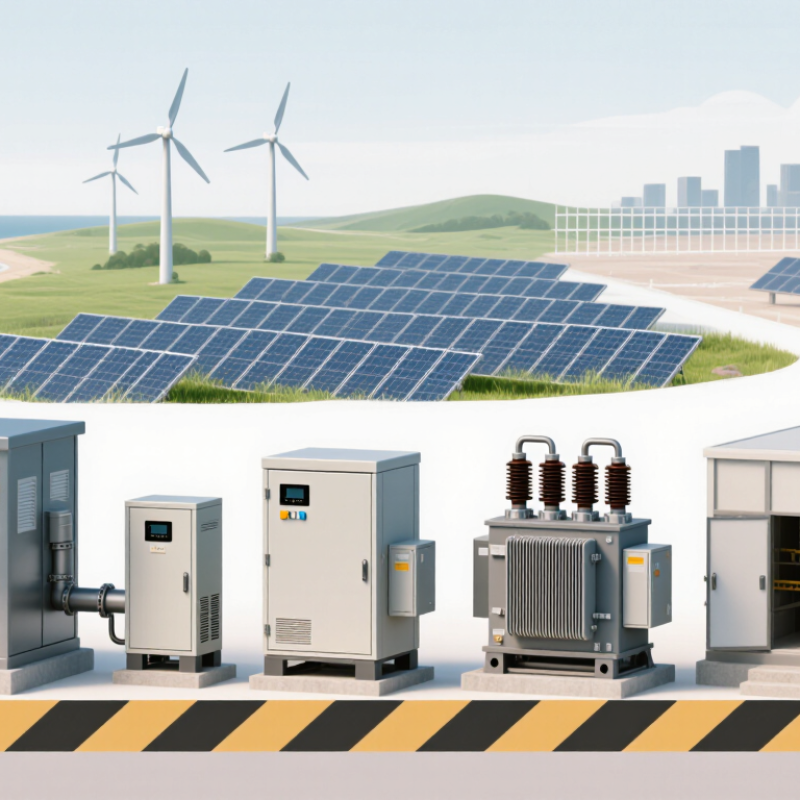
In 2026, “package substation” describes an assembled unit, not one fixed design. IEC 62271-202 applies to prefabricated substations for AC systems above 1 kV and up to and including 52 kV. It sets requirements for the substation assembly, including its enclosure and installed equipment. That distinction matters: a voltage label alone does not prove a unit meets the standard.
Common options include compact kiosk substations, walk-in units, and non-walk-in designs. They typically combine medium-voltage switchgear, a distribution transformer, and low-voltage switchgear in one enclosure. A kiosk unit can fit beside a small commercial building, while a walk-in layout gives technicians more room to inspect equipment. Not every site benefits from extra space. It can also mean a larger footprint.
The standard addresses practical performance, including enclosure protection and temperature rise under specified conditions. Buyers should check the rated voltage, transformer capacity, access arrangement, and installation environment against project needs. A coastal site, for example, may require careful attention to corrosion protection and ventilation. These details are easy to overlook. In practice, product categories can blur: two compact units may look similar yet differ in access, maintenance clearance, or configuration. Review the technical documentation, not just the name on a drawing.
Compact Kiosk and Skid-Mounted Types: Integrated MV, Transformer, and LV Gear
In 2026, compact kiosk and skid-mounted substations remain practical choices where space and installation time are limited. A kiosk type places medium-voltage switchgear, a transformer, and low-voltage distribution gear inside one weather-resistant enclosure. This integrated layout can reduce on-site assembly and keep equipment connections short. Operators still need safe access for inspection and maintenance. Ventilation openings, door clearance, and cable entry points should match the actual site, not just a standard drawing.
A skid-mounted type assembles similar equipment on a transportable steel frame. It can suit industrial yards or temporary project sites where a level foundation and lifting access are available. The frame makes relocation easier, but transport dimensions and lifting points need careful review. Cable routes, transformer weight, and the required working space can change the best arrangement. Small details matter. Even a well-integrated package may need site-specific adjustments. Engineers should confirm the electrical ratings, protection coordination, earthing, and environmental conditions before installation. The compact footprint is useful, but it does not remove the need for clear maintenance access or a properly designed foundation.
Oil-Immersed and Dry-Type Units: Cooling and Insulation Options
Oil-immersed package substations use insulating oil to separate energized parts and carry heat away from the transformer core and windings. In a typical layout, warmed oil circulates toward radiators, where it cools before returning. This arrangement can suit higher loads or outdoor sites, but it needs a level installation area and routine checks for leaks, oil condition, and temperature. Small details matter. A blocked radiator or poor airflow around the enclosure can reduce cooling performance.
Dry-type units use air or solid insulation, often resin around the windings, rather than liquid oil. They avoid oil containment and can be considered for indoor locations where leakage concerns matter. Their cooling depends on clear ventilation paths and the room’s ability to shed heat. Dust on air passages may seem harmless; over time, it can impede airflow. Dry-type does not mean maintenance-free. Actual suitability depends on load profile, ambient temperature, enclosure design, and the manufacturer’s documented ratings. I would not choose by the insulation label alone: compare site conditions, inspection needs, and how much spare cooling capacity the design provides.
Utility, Industrial, Commercial, and Renewable-Energy Substation Types
Utility package substations connect distribution networks to local loads, combining transformers, switchgear, and protection in a compact enclosure. They suit feeder upgrades and constrained sites, but access for maintenance still matters. The International Energy Agency’s Electricity 2024 report says global electricity demand is forecast to grow by an average 3.4% annually from 2024 to 2026. More demand does not automatically mean one standard design fits every grid.
Industrial substations are selected around process loads, motor starting, fault levels, and harsh conditions such as dust or heat. Commercial units often prioritize compact footprints, metering, and dependable service for offices, hospitals, or shopping centers. Details matter. A small sizing error can create costly operating limits. I would not treat these categories as rigid boxes; actual load profiles often overlap.
Renewable-energy substations handle generation from solar or wind sites, collecting power and stepping voltage up for grid connection. The IEA’s Renewables 2024 report records 510 GW of renewable capacity added worldwide in 2023, nearly 50% more than in 2022. That expansion makes grid connection design increasingly important, including protection and changing power flows. Yet the report’s global numbers cannot decide a site’s equipment: local weather, layout, and grid requirements still shape the choice.
Compare Ratings: Voltage, Transformer kVA, 50/60 Hz, and Enclosure IP Code
Package substations in 2026 commonly include compact kiosk, indoor, outdoor, and skid-mounted designs. Their layout affects access, cooling, and protection, but the name alone does not confirm suitability. Compare the rated primary and secondary voltages with the actual distribution system. A mismatch can require additional equipment or make the unit unsuitable. Check the nameplate, drawings, and site requirements together.
Transformer capacity is stated in kVA, not simply by the building’s floor area. Small commercial loads may need tens or hundreds of kVA, while industrial sites can require several thousand. Estimate demand, starting currents, future expansion, and permitted loading with a qualified engineer. Leave practical headroom. Oversizing can raise cost and losses; undersizing may cause overheating or poor voltage regulation. The “right” margin is not always obvious.
Frequency matters, too. A 50 Hz transformer should not be assumed suitable for 60 Hz service, or vice versa; verify its design and equipment ratings. Enclosure IP codes describe protection against solids and water under defined test conditions. For example, IP54 offers dust protection and resistance to water splashes, while IP65 is dust-tight and tested against water jets. Neither code guarantees protection from every outdoor hazard. Salt, condensation, heat, and cable-entry details still deserve attention. A tidy comparison table helps, but field conditions can tell a less tidy story.
FAQS
It combines medium-voltage switchgear, a transformer, and low-voltage gear inside one weather-resistant enclosure. This can reduce on-site assembly. Check door clearance, ventilation, and cable entries at the actual site.
It can suit industrial yards or temporary project sites with a level foundation and lifting access. The frame can ease relocation. Review transport dimensions and lifting points carefully.
Oil insulates internal parts and carries heat toward radiators. Dry-type units use air or solid insulation, often resin. Neither is maintenance-free.
Check oil condition, temperature, leaks, and radiator airflow. A blocked radiator can reduce cooling. Easy to overlook.
Indoor locations with oil-leakage concerns may be suitable. Keep ventilation paths clear and ensure the room can shed heat. Dust can restrict airflow over time.
Estimate demand, starting currents, future expansion, and permitted loading with a qualified engineer. Leave practical headroom. Floor area alone is not enough.
Match primary and secondary voltages to the distribution system. Verify ratings for 50 or 60 Hz service. Don’t assume compatibility.
IP54 offers dust protection and resistance to water splashes. IP65 is dust-tight and tested against water jets. Neither covers every outdoor hazard. Check salt, condensation, heat, and cable entries too.
Conclusion
Package Substations are factory-assembled power distribution systems that combine medium-voltage switchgear, a transformer, and low-voltage equipment in a coordinated unit. Under IEC 62271-202, covered prefabricated substations are designed for AC systems from 1 kV to 52 kV. Common configurations include compact kiosk substations, which fit into a self-contained enclosure, and skid-mounted units, which can be positioned on a prepared base. Their integrated design can simplify installation and make them suitable for projects with limited space or defined equipment layouts.
Transformer options include oil-immersed units, which use insulating oil to support cooling and electrical insulation, and dry-type units, which rely on solid insulation and air-based cooling arrangements. Package Substations serve utility networks, industrial facilities, commercial buildings, and renewable-energy installations. When selecting a type, compare the required voltage and transformer capacity in kVA, system frequency of 50 or 60 Hz, and enclosure IP code. These ratings help match the equipment to the site’s electrical demands, environmental conditions, and protection requirements.

Blog Tags: