
Power Transformer Insights & Technical Articles
Explore expert perspectives, maintenance guides, and technological advances in power & distribution transformers.
Solar & Wind Transformer Innovations
Technical articles focusing on step-up transformer design for modern renewable energy projects.
Oil & Gas Transformer Applications
Best practices and safety standards for robust transformer operation in extreme environmental conditions.
IEC & ANSI Testing & Standards
In-depth reviews on quality control, insulation analysis, and life-cycle assessment of high voltage transformers.
How to Choose the Best Power Distribution Transformers?
Table of Contents
- Understanding Power Distribution Transformers and Their Functionality
- Considerations for Transformer Capacity and Load Requirements
- Evaluating Transformer Efficiency and Performance Ratings
- Exploring Different Types of Power Distribution Transformers
- Assessing Installation and Maintenance Needs for Transformers
- FAQS
- Conclusion
- Related Posts
Selecting the right Power Distribution Transformers is crucial for efficient electrical systems. In 2022, the global market for these transformers saw a significant growth rate of 6.5%. This was driven by the increasing demand for reliable power supply around the world. Power Distribution Transformers play a vital role in energy management and distribution.
Experts emphasize the importance of understanding specific application needs when choosing transformers. The wrong choice can lead to inefficiencies, affecting not only energy consumption but also operational costs. Reports indicate that poorly selected transformers can result in up to 30% higher energy use. Investing in appropriate equipment is essential for long-term savings.
However, despite advancements, many facilities still overlook details. Choices often rely heavily on price rather than performance and reliability. Understanding technical specifications becomes a challenge for stakeholders. Ensuring compliance with industry standards adds another layer of complexity. Decision-makers must balance immediate budget constraints with long-term operational efficiency.
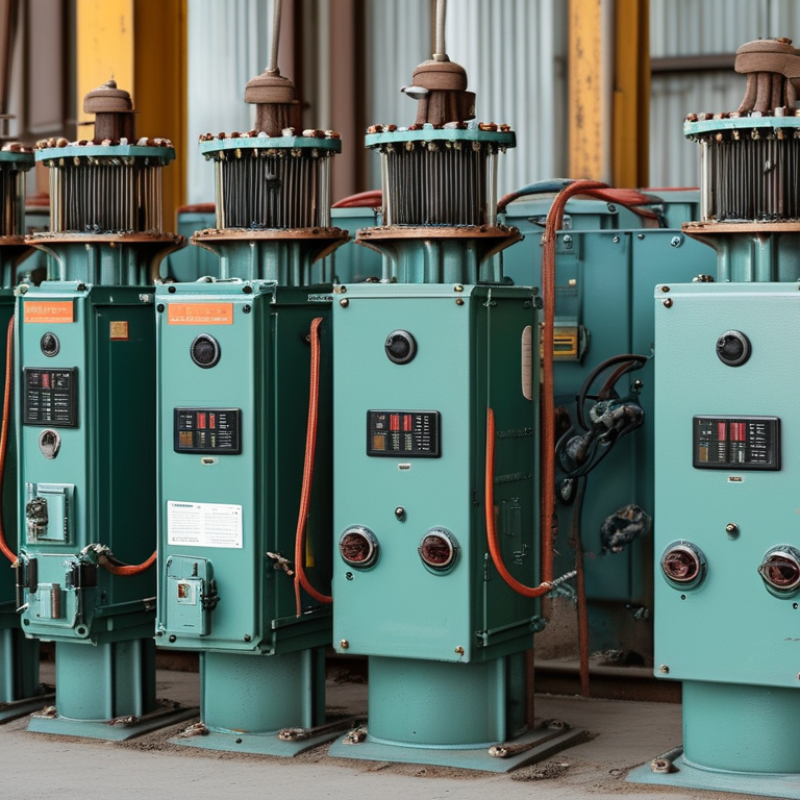
Understanding Power Distribution Transformers and Their Functionality
Power distribution transformers are crucial in electrical systems. They ensure electricity is delivered efficiently to homes and businesses. Understanding how they work is essential for making informed decisions. These transformers adjust voltage levels, allowing for safe transmission over distances. For instance, they step down high transmission voltages to usable levels.
When selecting a power distribution transformer, consider its functionality. Load requirements are vital. An oversized transformer can lead to energy losses, while an undersized one may fail to meet demand. Efficiency ratings also matter. A more efficient unit means lower operational costs.
While experts provide guidelines for choosing transformers, each situation is unique. Past experiences can teach valuable lessons. Look for reliable sources of information, but also reflect on your specific needs. Different environments and applications may require adjustments. A one-size-fits-all approach often leads to problems later on. Making thoughtful choices today can prevent future complications.
Power Distribution Transformers Capacity Comparison
This bar chart shows the capacity (in MVA) of different types of power distribution transformers commonly used in electrical systems. Understanding their capacities helps in choosing the appropriate transformer for specific applications.
Considerations for Transformer Capacity and Load Requirements
When selecting power distribution transformers, capacity and load requirements are critical factors. Transformer capacity must align with the expected load to ensure efficient operation. According to industry reports, underestimating load can lead to overheating and premature failure, while overestimating may result in unnecessary costs. It's essential to analyze current and future load demands carefully.
Consider conducting a load flow analysis. This helps to determine the maximum demand and peak load periods. Many experts recommend sizing transformers for at least 125% of the expected load. This margin addresses unexpected increases and reduces the risk of overload. Reliable data suggests that almost 30% of transformers fail due to thermal overload, emphasizing the need for accurate capacity assessment.
Regularly revisiting load calculations is necessary. Over time, operational changes may alter power requirements. Ignoring these shifts can create inefficiencies. Collaboration with electrical engineers to assess evolving needs is beneficial. Remember that transformers are long-term investments; proper sizing can significantly extend their lifespan and improve reliability. An informed approach will ultimately lead to better performance and reduced costs.
Evaluating Transformer Efficiency and Performance Ratings
Evaluating the efficiency and performance ratings of power distribution transformers is crucial. Transformers must convert electrical energy efficiently from one voltage to another. Efficiency is often expressed as a percentage, representing the power output compared to power input. A higher efficiency rating means less energy is wasted as heat. This efficiency includes both no-load losses and load losses. Understanding these factors can help in selecting the right transformer.
Performance ratings are another key aspect. These ratings indicate how well a transformer can operate under different conditions. Factors such as temperature rise and impedance affect performance. Selecting a transformer with appropriate ratings will ensure reliability in diverse environments. However, not all ratings tell the whole story. Sometimes, manufacturers may overstate performance, leading to poor decisions. It’s essential to verify claims through independent testing or reputable sources.
Many users overlook the importance of installation and maintenance. Even the best transformer can underperform if not installed correctly. Regular inspections can identify issues early. A well-maintained transformer will operate efficiently for years. Neglecting these aspects can lead to costly issues. Always consider how installation and upkeep impact overall performance and efficiency.
Exploring Different Types of Power Distribution Transformers
When selecting the right power distribution transformer, understanding the types available is crucial. The primary categories include dry-type and liquid-filled transformers. Dry-type transformers are often employed in indoor settings, offering less risk of leakage. They are favored for their efficiency in urban environments, where space is limited and safety is a priority. According to industry data, dry-type transformers have seen a growth rate of 6.2% annually, reflecting their increasing demand.
Liquid-filled transformers, on the other hand, excel in outdoor applications. They offer higher capacity and better heat dissipation. However, concerns about environmental impact and maintenance costs can be drawbacks. Research indicates that liquid-filled transformers account for about 52% of the global market. Many users overlook the importance of environmental factors in their setup, which can lead to unexpected challenges down the line.
When choosing a transformer, consider efficiency ratings and load capacity. These factors significantly affect performance and longevity. It’s essential to calculate the required kVA rating based on your load demands accurately. Regular maintenance checks can also enhance the lifespan of your transformer. Stay informed about technological advancements that might impact your choice. Doing so can enhance your power system's reliability and efficiency.
Assessing Installation and Maintenance Needs for Transformers
When selecting power distribution transformers, understanding installation and maintenance needs is crucial. According to the U.S. Department of Energy, improper installation can increase energy losses by 15% annually. Therefore, evaluating the site for adequate space, ventilation, and access is essential. Transformers should be placed in locations that allow for regular maintenance checks.
Routine maintenance helps to ensure a transformer’s longevity. Reports from the Institute of Electrical and Electronics Engineers indicate that up to 80% of transformer failures are due to inadequate maintenance. Regularly scheduled inspections can catch issues early, reducing repair costs significantly. Maintenance procedures should include checking connections and insulation, as well as monitoring temperature and vibration levels.
Consider these tips for optimal maintenance. Ensure all personnel are trained in safety protocols. Isolate the transformer during maintenance to prevent accidental hazards. Finally, keep detailed logs of maintenance activities. These logs help identify patterns and needs over time, optimizing overall performance and reliability. Regularly addressing installation and maintenance needs can create a more efficient transformer operation, leading to significant cost savings and increased reliability.
FAQS
: They adjust voltage levels for safe electricity transmission to homes and businesses.
Proper capacity ensures efficient operation and prevents overheating or premature failure.
Size transformers for at least 125% of expected load to accommodate unexpected increases.
Analyze load requirements, efficiency ratings, and specific operational needs carefully.
Regular evaluations are necessary to accommodate operational changes and shifting power demands.
An oversized transformer can waste energy, while an undersized one may not meet demand.
Conclusion
Power Distribution Transformers play a crucial role in the efficient delivery of electrical power across various applications. Understanding their functionality is essential for ensuring that electrical distribution systems operate smoothly. Key considerations include evaluating transformer capacity and load requirements to match the demands of the electrical system, ensuring optimal performance.
Moreover, assessing transformer efficiency and performance ratings is vital for reducing energy losses and improving operational reliability. With a range of different types of Power Distribution Transformers available, it is important to explore each type's features and benefits. Finally, attention must be given to installation and maintenance needs to ensure longevity and effective operation. By carefully considering these factors, one can choose the best Power Distribution Transformers to meet specific needs.

Blog Tags: