
1. Executive Overview: The Strategic Imperative of Tap Changer Overhaul
In high-voltage electrical grid infrastructure and heavy industrial power systems, electrical power transformers represent the single most capital-intensive physical asset. However, according to empirical reliability surveys published by CIGRE (International Council on Large Electric Systems) and IEEE, over 40% to 55% of major power transformer failures stem directly from mechanical or electrical degradation inside On-Load Tap Changers (OLTC).
The tap changer is the only internal moving component inside a power transformer, tasked with maintaining a regulated output voltage under shifting load conditions by adjusting the winding turns ratio while remaining energized under load. This continuous mechanical switching subjects the diverter switch contacts, Geneva gear selector mechanisms, drive shafts, transition resistors, and dielectric insulating fluids to extreme electromechanical stresses, thermal cycling, and arcing erosion.
Semantic Search & Engineering Insight: Information Gain
A proactive Transformer Tap Changer Overhaul extends total transformer operational life by 15 to 25 years at approximately 15% to 25% of total replacement CAPEX. Replacing a full 132kV power transformer typically requires 12 to 18 months of supply chain lead time, whereas a complete factory-grade tap changer overhaul and vacuum retrofit can be executed during a planned maintenance outage within 5 to 10 working days.
At Federal Power Transformers LLC (FPT)—an ISO 9001:2015 certified unit of Federal Electric based in ICAD 1, Abu Dhabi, UAE—we execute precision-engineered tap changer overhauls, mechanical overhauls, contact rebuilds, and vacuum conversions for grid operators, municipal utilities, power generation facilities, oil & gas installations, and continuous-process industrial plants across the MENA region and worldwide.
2. Failure Mechanisms & Degradation Modes in OLTC / DETC Systems
To establish an effective maintenance strategy, procurement officers and electrical reliability engineers must understand the specific physics of failure that affect both On-Load Tap Changers (OLTC) and De-Energized Tap Changers (DETC):
2.1 Oil-Break Arcing Contact Erosion
In classic oil-break tap changers, every tap transition creates an electrical arc between tungsten-copper breaking contacts inside the diverter switch. Over thousands of operations, this arcing causes severe contact mass loss, metal pitting, and carbonization (sooting) of the surrounding insulating oil. Free carbon particles reduce the dielectric breakdown voltage of the oil, increasing the risk of inter-phase flashover or ground faulting inside the diverter tank.
2.2 Mechanical Drive Train Wear & Alignment Drift
The motor drive unit (MDU) transmits rotary force via bevel gears, cardan drive shafts, and Geneva wheels to trigger high-speed energy accumulators (spring mechanisms). Mechanical play, gear teeth pitting, spring tension relaxation, or drive pin shearing can lead to contact desynchronization. If a diverter switch stops halfway through a switching sequence, the transition resistor will carry load current indefinitely, leading to thermal explosion within seconds.
2.3 Transition Resistor Thermal Overload
Transition resistors temporarily carry load current during the fraction of a second when switching from tap $N$ to tap $N+1$. Thermal cycling causes micro-cracking in resistor wire alloys. If a resistor open-circuits, severe high-current arcing occurs across main contacts, quickly leading to explosive Buchholz gas accumulation.
2.4 Moisture Ingress & Dielectric Degradation
Faulty oil conservator desiccating breathers or damaged shaft seals allow atmospheric moisture to enter the tap changer head. Water contamination combined with dissolved carbon particles rapidly accelerates dielectric breakdown, causing tracking across insulating oil tubes and barrier boards.
3. OEM-Standard Tap Changer Overhaul: Step-by-Step Methodology
At Federal Power Transformers LLC, every tap changer overhaul follows strict quality control procedures compliant with IEC 60214-1, IEEE C57.131, and OEM factory engineering specifications. Our ICAD 1 facility features dedicated clean rooms, vacuum drying ovens, micro-ohm resistance meters, and high-voltage dielectric test bays.
Comprehensive Pre-Overhaul Field Diagnostics
Prior to physical teardown, engineers conduct dynamic resistance measurement (DRM), acoustic emission profiling, vibration signature analysis, dissolved gas analysis (DGA) on diverter oil, and Sweep Frequency Response Analysis (SFRA) to baseline the tap changer's mechanical integrity.
Diverter Switch Extraction & Oil Management
The diverter switch insert is isolated, carefully lifted out of its housing using specialized lifting equipment, and drained. The diverter oil compartment is flushed with ultra-clean transformer oil to remove carbon sludge and metal debris.
Clean-Room Teardown & Component Inspection
Inside our climate-controlled workshop, components are disassembled. Main arcing contacts, transition contacts, springs, insulation shafts, and Geneva wheels are cleaned with solvent and inspected under dye-penetrant and micro-caliper tools to detect micro-cracks or excessive erosion beyond OEM tolerances.
Contact Metallurgy Rebuild & Spring Accumulator Refurbishment
Worn arcing contacts are replaced with original tungsten-copper alloy replacements. Transition resistors are tested for exact ohmic balance. High-speed spring accumulators are recalibrated to guarantee exact switching times (typically 40 to 60 milliseconds).
Drive Gearbox & Motor Drive Unit (MDU) Calibration
The external drive system—including gearboxes, limit switches, step-by-step interlocks, position indicators, and brake mechanisms—is completely overhauled, re-greased, and electrically re-wired with upgraded protection relays.
Vacuum Drying, Degassing & Dielectric Testing
Refurbished diverter inserts undergo vacuum drying to remove absorbed moisture, followed by high-vacuum oil filling with filtered, degassed mineral oil (dielectric strength > 70 kV per IEC 60156). Static and dynamic contact resistance (micro-ohms), insulation resistance (GΩ), and timing sequence plots are verified before final sign-off.
4. Targeted Overhaul Solutions & Technical Product Offerings
Federal Power Transformers LLC provides engineered overhaul packages customized to asset age, grid duty cycle, and operating environment:
OLTC Diverter Switch Full Overhaul
Complete OEM-grade mechanical rebuilding, contact replacement, transition resistor testing, spring accumulator recalibration, and oil processing for high-voltage oil-break tap changers up to 132kV class.
Vacuum Tap Changer Retrofit
Upgrade old oil-break tap changers to modern hermetically sealed vacuum interrupter technology. Eliminates oil carbonization, extends service intervals to 300,000 operations, and dramatically lowers lifetime maintenance costs.
De-Energized Tap Changer (DETC) Overhaul
Factory refurbishing, contact alignment, oxide cleaning, spring pressure verification, and shaft sealing upgrades for off-circuit tap changers in distribution and power transformers.
Smart Motor Drive Unit & Monitoring Retrofit
Retrofit legacy drive cabinets with digital position sensors, continuous dynamic resistance measuring units, online DGA sensors, and SCADA-ready Modbus/IEC 61850 communication interfaces.
5. Future Procurement Trends & Industry Roadmap (2025–2035)
Global power utilities, renewable energy developers, and industrial plant owners are changing how transformer tap changers are procured, specified, and maintained. Key procurement trends shaping the industry include:
| Procurement Trend | Traditional Approach | Next-Generation Outlook (2025–2035) | Strategic Benefit |
|---|---|---|---|
| Switching Technology | Oil-break switching (arcing in oil) | Vacuum interrupter technology (hermetic arc extinction) | Zero oil contamination; maintenance interval extended from 50k to 300k switching cycles. |
| Maintenance Strategy | Fixed time interval / manual operation counts | AI-driven predictive monitoring (Online DRM & Acoustic AI) | Prevents sudden catastrophic failures and minimizes unneeded physical teardowns. |
| Insulation Fluids | Standard mineral insulating oil | Synthetic & Natural Ester Fluids (Bio-oils) | Higher flash point (>300°C), biodegradable, suitable for fire-sensitive and eco-conscious zones. |
| Supply Chain Strategy | Replace entire transformer unit on failure | Factory tap changer overhaul & component retrofit | Reduces lead time by 80% and slashes carbon emissions during equipment re-manufacturing. |
Need Expert Technical Assistance for Your Tap Changer Asset?
Download our complete technical catalog or request an engineering consultation with Federal Power Transformers LLC.
6. Enterprise Advantage: Why Federal Power Transformers LLC?
Federal Power Transformers LLC (FPT) stands at the forefront of power equipment engineering in the Middle East and international utility markets. Established in 2006 in Abu Dhabi, UAE, FPT operates a world-class manufacturing and overhaul infrastructure spanning over 30,000 square meters in ICAD 1, Mussafah.
Clean-Room Precision
Dust-free, climate-controlled assembly and repair bays ensuring ultra-clean environments for high-voltage diverter switch overhauls.
Complete In-House Testing
Equipped with automated impulse voltage generators, micro-ohmmeters, dynamic resistance testers, and transformer oil laboratories.
Group Synergy & Fleet Mobility
Backbone support from Federal Electric with mobile emergency field repair units capable of rapid deployment across global project sites.
Our commitment to quality, environmental safety, and occupational health is backed by our QHSE Target Zero policy, ensuring zero compromise on site safety, process repeatability, and customer operational uptime.
7. ICAD 1 Abu Dhabi Overhaul Infrastructure
Every major tap changer repair and transformer overhaul project is backed by our dedicated engineering facilities in the UAE and Oman:
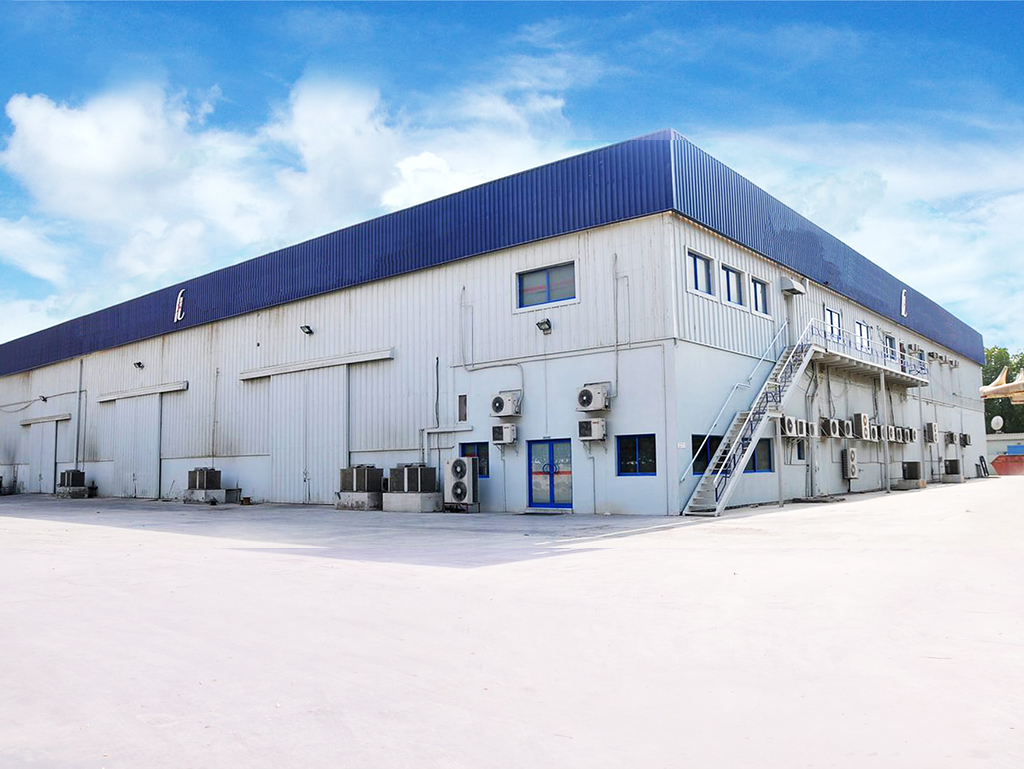
Figure 1: Federal Power Transformers LLC State-of-the-Art Production & Overhaul Facility at ICAD 1, Abu Dhabi, UAE.