
Executive Engineering Summary
Electrical infrastructure in the oil, gas, and petrochemical sectors operates under some of the most unforgiving physical and electrical stress vectors on Earth. From offshore FPSOs exposed to salt-laden marine spray to onshore desert refineries enduring ambient temperatures above 55°C, Oil and Gas Transformers serve as the critical heartbeat of energy processing. Federal Power Transformers LLC (FPT), operating from ICAD 1 in Abu Dhabi, designs and manufactures heavy-duty transformers up to 100 MVA, 132kV class engineered specifically to conquer severe harmonic loads, toxic gas atmospheres, seismic activity, and strict explosion-hazard zone constraints.
1. Technical Engineering Architecture of Heavy-Duty Oil and Gas Transformers
Standard industrial distribution transformers are fundamentally inadequate for the rigors of upstream exploration, midstream transport, and downstream processing. In oil and gas operations, a single unplanned electrical shutdown can result in millions of dollars per day in lost production, environmental hazards, and severe safety risks. Consequently, Oil and Gas Transformers are built with structural and electrical reinforcements far surpassing municipal grid specifications.
Our engineering team at Federal Power Transformers integrates advanced 3D Inventor magnetic field simulation and finite element thermal analysis (FEA) to eliminate local core hotspots, reduce stray load losses, and prevent dielectric oil degradation over decades of continuous operation.
Core Electrical & Structural Considerations
- Harmonic Mitigation (K-Factor Ratings): Drive systems such as Variable Frequency Drives (VFDs) powering submersible pumps, mud pumps, and heavy gas compressors generate severe harmonic currents (THD). FPT custom-engineers wye-delta and multi-winding configurations (up to K-20 rating) with electrostatic shielding between primary and secondary windings to isolate sensitive control systems.
- C5-M Surface Protection & SS316L Hardware: Offshore drilling rigs and coastal LNG terminals demand ISO 12944 C5-M (Very High Marine Corrosion) painting systems. FPT utilizes shot-blasting up to SA 2.5, followed by multi-coat zinc-rich epoxy primers, intermediate micaceous iron oxide coatings, and polyurethane topcoats, supplemented by SS316L stainless steel hardware and tank fittings.
- Hermetic Sealing vs. Nitrogen Cushion Protection: Depending on the kVA rating and logistics, units are built as fully sealed corrugated tank transformers or equipped with conservator tanks fitted with maintenance-free silica gel breathers or pressurized dry nitrogen cushions to completely isolate dielectric fluids from atmospheric oxygen and moisture ingress.
- Short-Circuit & Mechanical Strength: Coils are wound using high-conductivity Oxygen-Free Copper (OFC) with thermal upgrade paper insulation, bound by rigid epoxy-impregnated pressboard blocks to guarantee short-circuit withstand performance matching IEC 60076-5 standards.
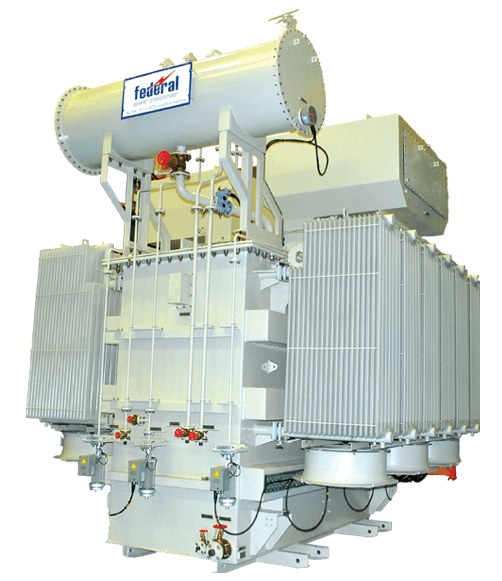 Figure 1: Heavy-duty Oil and Gas Power Transformer manufactured at Federal Power Transformers ICAD 1 facility in Abu Dhabi.
2. Master Engineering Specifications Matrix
Below is the core engineering parameters matrix for oil and gas power transformers supplied by Federal Power Transformers LLC to utility grids, regional NOCs (National Oil Companies), and global EPC conglomerates:
| Parameter / Feature | Standard Industrial Spec | FPT Oil & Gas Offshore Spec | Downstream Petrochemical Spec |
|---|---|---|---|
| Power Rating (MVA) | Up to 25 MVA | Up to 100 MVA | Up to 100 MVA |
| Primary Voltage Class | 11kV / 33kV | Up to 132kV | Up to 132kV |
| Dielectric Fluid | Standard Mineral Oil | Synthetic Ester (K-Class, Fire Point >300°C) | High-Inhibited Mineral Oil / Natural Ester |
| Cooling Mechanism | ONAN | ONAN / ONAF / OFAF (Marine Grade Radiators) | ONAN / ONAF (Detachable Radiator Banks) |
| Corrosion Class (ISO 12944) | C3 / C4 Industrial | C5-M Heavy Marine (Offshore FPSO Grade) | C5-I Industrial Harsh Chemical Grade |
| Ambient Temp Rating | 40°C Standard | 55°C High Desert / Tropical Marine | 55°C Ambient with Solar Shielding |
| Hazardous Area Marking | Safe Area Only | ATEX / IECEx Zone 1 & Zone 2 (Ex-d / Ex-e) | Zone 2 Hazardous Area Protection |
| Applicable Standards | IEC 60076 | IEC 60076, ANSI C57, Shell DEP, ADNOC Specs | IEC 60076, BS 171, ARAMCO Standards |
Need Custom Oil & Gas Transformer Specifications?
Work directly with our senior power engineers in Abu Dhabi for custom kVA, voltage vector, and ATEX terminal enclosure designs.
3. Product Range & Application Environments in Energy Infrastructure
Oil and gas processing encompasses distinct upstream, midstream, and downstream segments, each demanding specialized transformer configurations. FPT’s manufacturing portfolio delivers targeted solutions engineered for exact site requirements:
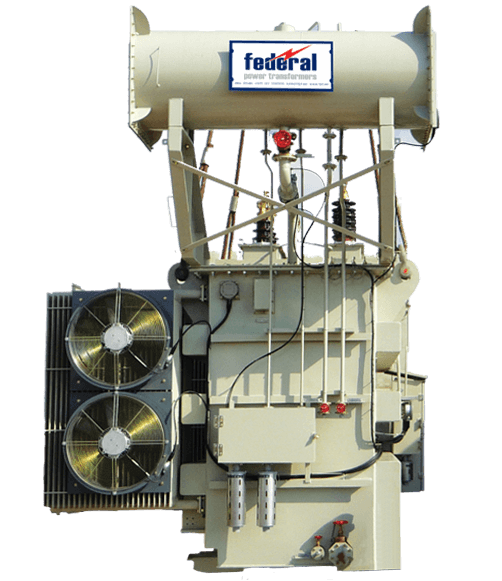
Offshore Platform & FPSO Power Transformers
Designed with minimal footprint, high mechanical vibration resistance, and synthetic ester fluids. Engineered to prevent fire propagation on enclosed deck spaces while resisting constant salt air corrosion.
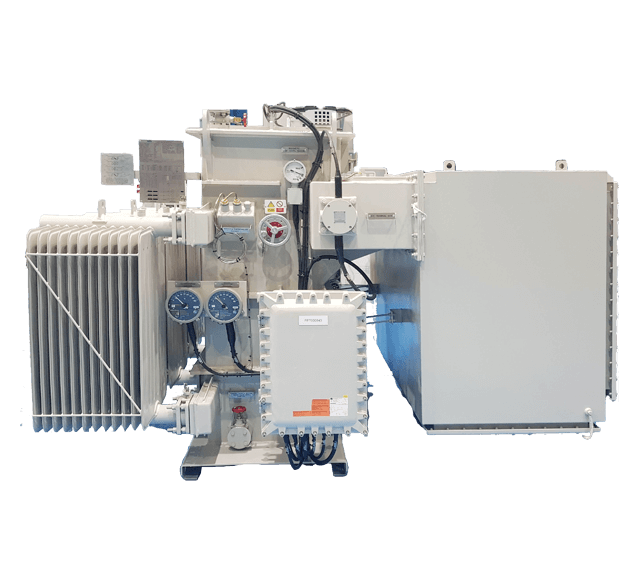
Refinery & Petrochemical Special Units
Heavy-duty step-down step-up transformers built to supply continuous electrical energy to catalytic crackers, hydrotreaters, and gas fractionation plants under high ambient desert heat.

Cast Resin Dry Type for Indoor Oil & Gas Enclosures
Self-extinguishing, F1 fire-class certified cast resin transformers for control rooms, offshore living quarters, and indoor substations where liquid leaks cannot be tolerated.
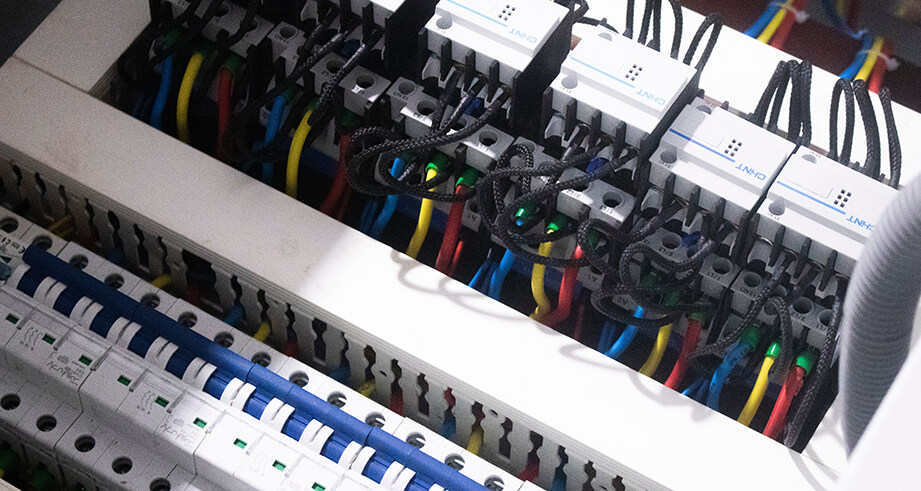
Skid-Mounted Pipeline & Wellhead Transformers
Mobile and skid-mounted substation transformers designed for fast field deployment along oil transmission pipelines, remote wellheads, and temporary drilling rigs.
4. Future Sourcing Trends & Industry Innovations in Oil & Gas Transformers
The global oil and gas sector is undergoing an unprecedented operational evolution driven by ESG (Environmental, Social, and Governance) mandates, digital asset management, and deepwater electrification. B2B procurement leaders must anticipate these key technology transitions when specifying transformer assets for 2025–2035 deployment cycles:
A. Accelerated Shift to Bio-Based Synthetic & Natural Ester Fluids
Traditional mineral oil insulation presents significant environmental risks during marine spills and poses a fire hazard with flashpoints around 160°C. Modern procurement specifications increasingly dictate K-class dielectric fluids (Synthetic Esters such as MIDEL 7137 or Natural Esters like FR3) featuring flashpoints above 300°C and fire points above 360°C. Beyond non-flammability, ester fluids are 100% biodegradable within 28 days, protecting delicate marine environments near offshore rigs and eliminating the need for expensive deluge fire suppression systems.
B. Smart Transformers & AI-Driven Predictive Diagnostics (IoT Integration)
Unplanned downtime in a refinery can cascade into tens of millions in financial losses. Sourcing strategies are rapidly prioritizing Digital Twin-ready Smart Transformers. FPT’s oil and gas units can be equipped with integrated online Dissolved Gas Analysis (DGA) sensors, optical fiber winding temperature probes, moisture-in-oil transmitters, and partial discharge monitoring sensors. Data is communicated via IEC 61850 protocol directly to central SCADA systems, enabling predictive maintenance algorithms to detect incipient turn-to-turn faults, moisture build-up, or oil degradation months before catastrophic failure occurs.
C. Decarbonization & Electrification of Offshore Production
To reduce direct Scope 1 flare and turbine emissions, major energy companies are transitioning offshore platforms from gas turbine generators to shore-to-platform high-voltage subsea cable connections. This operational shift demands ultra-reliable subsea step-down power transformers up to 100 MVA, capable of handling long-distance AC and HVDC interconnections with exceptional voltage regulation capability under fluctuating sea-state dynamic loading.
 Figure 2: Electrification and renewable integration in modern energy processing plants requires hybrid-capable transformer architecture.
5. Why Sourcing from Federal Power Transformers LLC Delivers Enterprise Value
Established in 2006 as a strategic manufacturing business unit of Federal Electric, Federal Power Transformers LLC (FPT) has evolved into one of the Middle East's most trusted manufacturers of power transformers. Located in the Industrial City of Abu Dhabi (ICAD 1, Mussafah), our sprawling facility combines world-class European production technology with deep regional field expertise.
-
18+ Years of Verified Track Record: Since 2006, FPT has supplied thousands of power, distribution, and custom transformers across the GCC, Middle East, Africa, Europe, and Asia, proving exceptional thermal and electrical longevity under harsh climate extremes.
-
Up to 100 MVA, 132kV Manufacturing Capability: Our facility is fully equipped with heavy overhead cranes, high-capacity vacuum drying ovens, oil purification plants, and automated winding equipment capable of producing complex power transformer configurations.
-
Dust-Free, Climate-Controlled Clean Rooms: Winding and core assembly take place inside environmentally controlled clean zones to eliminate ambient dust, humidity, and atmospheric particulate contamination during critical coil construction.
-
Rigorous Quality Management (ISO 9001:2015): FPT operates under fully certified ISO 9001:2015, ISO 14001:2015, and ISO 45001:2018 integrated management systems. Our unwavering "Target Zero" safety and zero-defect policy guarantees uncompromising quality control.
-
Comprehensive In-House High Voltage Test Laboratory: Every transformer undergoes stringent routine testing per IEC 60076 / ANSI C57 standards in our high-voltage testing facility prior to dispatch, including impulse voltage withstand, partial discharge measurement, and temperature rise testing.
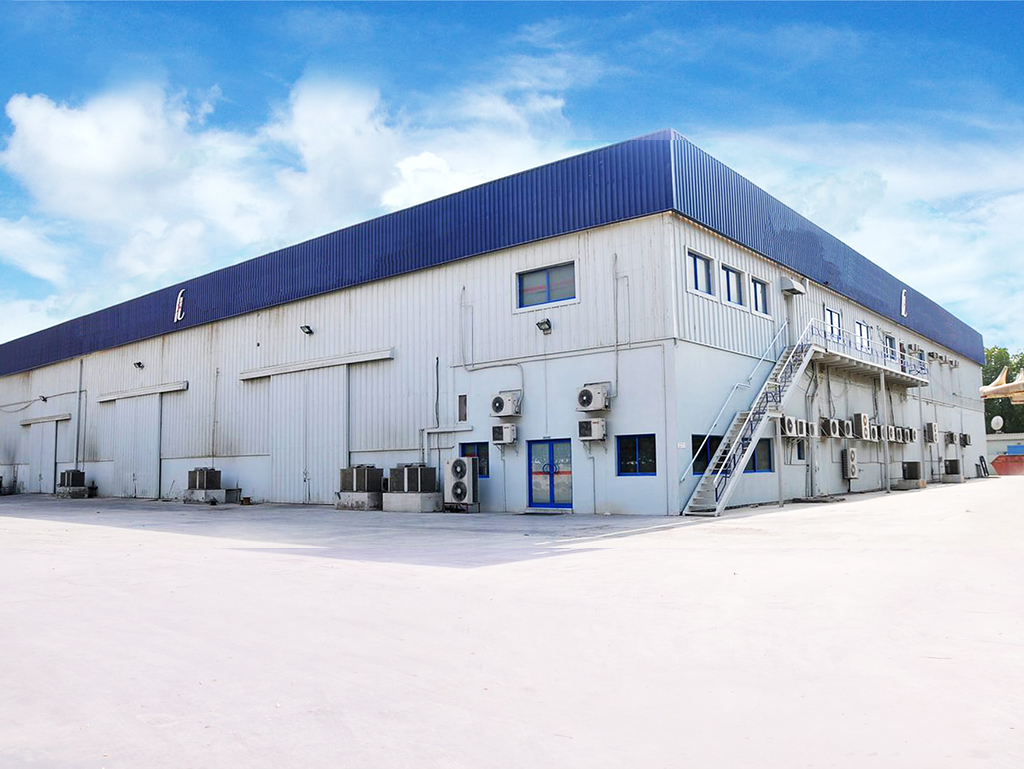 Figure 3: Federal Power Transformers manufacturing facility located in Plot No 87-A4, Sector N-41, ICAD 1, Mussafah, Abu Dhabi, UAE.
6. Global Procurement FAQ: Critical Answers for Oil & Gas Engineers
Below are technical answers to the most frequently asked questions submitted by global procurement teams, EPC contractors, and electrical engineering consultants when sourcing Oil and Gas Transformers:
Standard utility transformers are designed for clean grid environments with predictable linear loads and moderate ambient conditions. In contrast, Oil and Gas Transformers are specifically engineered to endure: (1) Severe THD voltage harmonics from VFD-driven compressors and mud pumps; (2) Corrosive industrial or offshore atmospheric conditions (C5-M rated multi-layer epoxy coatings); (3) Extreme ambient heat up to 55°C without de-rating; (4) Explosion risks through ATEX/IECEx certified terminal enclosures and high-flashpoint K-class ester fluids; and (5) Enhanced short-circuit mechanical strength to handle violent network switching surges.
Ester fluids possess a fire point greater than 300°C (classified as K-class insulating liquids according to IEC 61100), compared to mineral oil which ignites around 170°C. On offshore rigs or densely packed refineries, using ester-filled transformers virtually eliminates pool-fire explosion hazards. This reduces required safety clear distances, eliminates expensive water deluge fire containment systems, lowers facility insurance premiums, and provides complete marine biodegradability in case of containment breaches.
High ambient heat dramatically restricts natural transformer cooling, risking premature thermal degradation of cellulose insulation. FPT counteracts this by utilizing hybrid high-temperature insulation materials (Class H thermally upgraded paper and aramid insulation), custom-sized ONAN/ONAF radiator banks, low-loss high-permeability cold-rolled grain-oriented (CRGO) steel cores, and real-time fiber-optic winding hotspot sensors to guarantee full rated output up to 100 MVA without thermal de-rating.
Every transformer manufactured at our ICAD 1 facility undergoes 100% mandatory Routine Testing per IEC 60076-1, including: winding resistance, voltage transformation ratio, vector group phase verification, short-circuit impedance, load loss and no-load loss measurement, applied voltage withstand test, and induced overvoltage withstand test. Type and Special Tests — such as Full Lightning Impulse Withstand (BIL), Temperature Rise Test, Short-Circuit Withstand Validation, Sound Level Measurement, and Partial Discharge Analysis — are conducted in-house upon request.
Operating from our strategic industrial hub in Abu Dhabi, FPT maintains optimized raw material stock (high-grade CRGO steel, copper conductors, and tank steel plates). Combined with our modular 3D Inventor CAD design platform and agile manufacturing workflows, we offer significantly compressed engineering design approval lead times and fast-track manufacturing cycles for urgent offshore plant overhauls or emergency utility site replacements.
Start Your Oil and Gas Transformer Procurement Consultation
Connect immediately with our senior transformer engineering team for custom RFQ evaluation, vector group selection, and technical compliance review.