1. Fundamentals of Modern Prefabricated Package Substations (IEC 62271-202)
In modern power distribution networks, the demand for rapid electrification, footprint optimization, and operational safety has driven global utility operators and EPC contractors away from traditional site-erected civil substations toward factory-assembled Package Substations (also termed Compact Substations or Prefabricated Kiosk Substations). A Package Substation is an type-tested enclosure containing high-voltage/medium-voltage (MV) switchgear, a step-down or step-up distribution/power transformer, a low-voltage (LV) distribution board, internal interconnections, and auxiliary equipment engineered to perform as a single cohesive unit under strict standards such as IEC 62271-202, ANSI C37.20.7, and BS EN 62271-202.
Unlike conventional substations requiring extensive civil works, individual component integration, and lengthy on-site commissioning, a prefabricated package substation is fully wired, assembled, and factory acceptance tested (FAT) prior to shipment. This modular approach eliminates site-level installation errors, reduces civil footprint requirements by up to 60%, and drastically compresses project execution timelines for utility networks, renewable energy farms, oil & gas facilities, and infrastructure developments.
Key Structural Compartments of an IEC 62271-202 Package Substation
Every industrial-grade package substation manufactured by Federal Power Transformers LLC integrates three thermally segregated compartments within a heavy-duty enclosure:
- Medium Voltage (MV) Switchgear Compartment: Houses Ring Main Units (RMU) featuring Vacuum Circuit Breakers (VCB) or SF6-insulated switchgear up to 33kV class, equipped with protection relays, surge arresters, and earth switches.
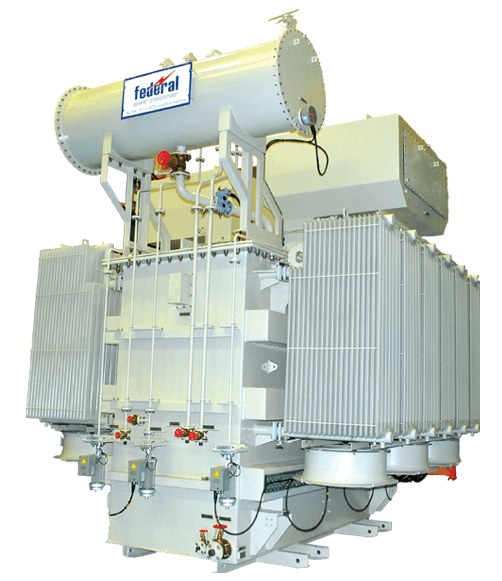
- Transformer Compartment: Accommodates either liquid-immersed (mineral oil or bio-ester) or dry-type cast resin distribution/power transformers up to 3150 kVA (or higher upon custom engineering), configured for optimal natural convection (ONAN/AN) or forced air (ENAF/AF) cooling.
- Low Voltage (LV) Switchboard Compartment: Features main circuit breakers (ACB/MCCB), busbar systems, power factor correction units, tariff metering equipment, and automated feeder protection panels customized to grid specifications.
2. Recommended Package Substation Configurations for Critical Applications
Federal Power Transformers LLC manufactures a versatile portfolio of prefabricated package substations engineered to withstand extreme ambient temperatures (+50°C to +55°C desert climates), high humidity, saline environments, and heavy seismic loads. Depending on operational environment and grid requirements, procurement specialists must select the appropriate configuration from our core offerings:
A. Oil-Immersed Compact Package Substations (Up to 33 kV)
Designed for urban utility networks, industrial parks, and outdoor commercial projects. Utilizing hermetically sealed liquid-immersed transformers, these package substations offer superior dielectric strength and thermal dissipation under continuous full-load operating conditions in high-ambient regions like the Middle East, Africa, and Southeast Asia.
- Voltage Class: 11kV, 22kV, 33kV Primary / 400V–690V Secondary
- Transformer Fluid Options: High-grade Mineral Oil (IEC 60296) or Flame-Retardant Synthetic/Natural Ester Fluid
- Enclosure Protection: IP54 / IP55 for outdoor installations, IAC-AB internal arc classified up to 20kA 1s.
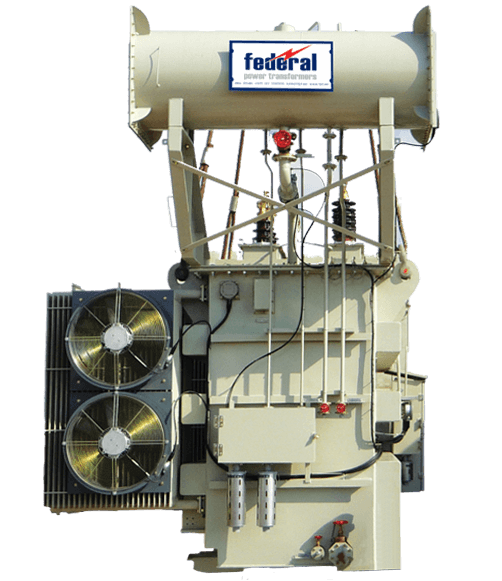
B. Cast Resin Dry-Type Package Substations for Indoor & High-Rise Infrastructure
For installations requiring maximum fire safety, environmental cleanliness, and zero risk of fluid leakage—such as high-rise towers, underground metro stations, hospitals, data centers, and enclosed industrial plants—FPT delivers Dry-Type Cast Resin Package Substations built to Class F/H thermal ratings.
- Safety Standard: Fire behavior F1, Environmental E2/E3, Climate C2 certified
- Maintenance: Virtually zero maintenance, self-extinguishing epoxy resin encapsulation
- Vibration & Seismic Resistance: Reinforced core framework capable of handling high seismic accelerations.
C. Renewable Energy Step-Up Solar & Wind Kiosk Substations
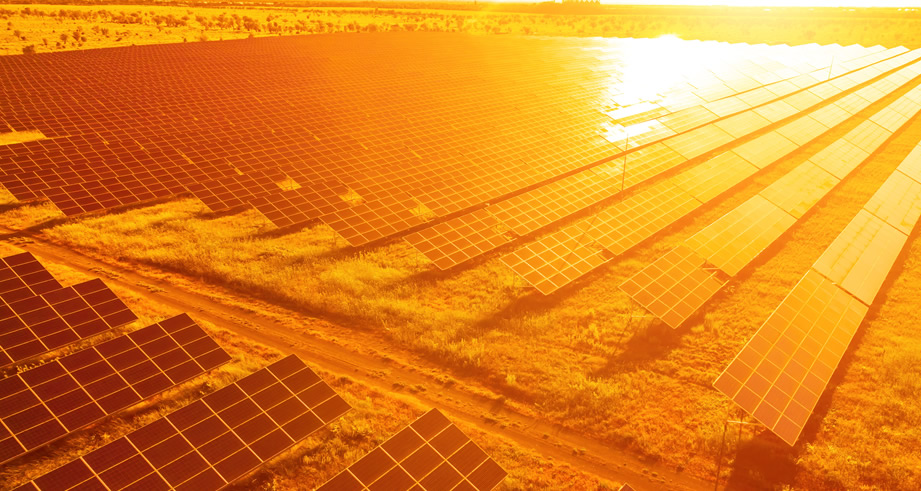
Optimized specifically for utility-scale solar PV plants and onshore wind farms, these package substations step up inverter output voltages (typically 600V–800V AC) to medium-voltage transmission grids (11kV to 33kV). They incorporate multi-winding transformers, smart inverter interfacing controls, and SCADA-compatible monitoring nodes.
- Inverter Integration: Dual or triple LV winding options for central inverter connections
- Harmonic Withstand: K-Factor rated windings engineered for non-linear solar inverter loads
- Environmental Coating: C5-M marine-grade anti-corrosion paint finish for coastal salt fog endurance.

D. Heavy Industrial & Oil & Gas Duty Blast-Resistant Package Substations
Engineered for petro-chemical complexes, offshore platforms, and hazardous refineries. These specialized units meet rigorous international oil company (IOC) specifications, featuring explosion-proof control boxes, blast-resistant steel enclosures (up to 0.5 bar overpressure), and 316L stainless steel hardware.
- Compliance: ADNOC, Saudi Aramco, Sabic, Shell, and BP engineering standards
- Enclosure Shell: Double-walled insulated steel or GRP (Glass Reinforced Polyester) sandwich panels
- Gas Safety: Positive pressure HVAC purging system to prevent hazardous flammable gas ingress.
Technical Comparison Matrix: Package Substation Configurations
To assist procurement engineers in technical compliance evaluations, the table below outlines core design parameters across standard package substation builds:
| Technical Parameter | Standard Utility Package | Cast Resin Dry-Type Package | Renewable Step-Up Kiosk | Oil & Gas Industrial Package |
|---|---|---|---|---|
| Rated Voltage Range | Up to 33 kV (50/60 Hz) | Up to 33 kV (50/60 Hz) | Up to 33 kV / 36 kV | Up to 33 kV / 11 kV |
| Power Capacity Rating | 500 kVA – 2500 kVA | 250 kVA – 3150 kVA | 1000 kVA – 4000 kVA | 500 kVA – 3150 kVA |
| Internal Arc Classification | IAC-AB 20kA 1s | IAC-AB 16kA 1s | IAC-A 20kA 1s | IAC-AB 25kA 1s (Blast-proof) |
| Enclosure Protection (IP) | IP54 Outdoor / IP43 MV/LV | IP44 Indoor / IP54 Custom | IP55 Severe Outdoor | IP66 / NEMA 4X Sealed |
| Cooling Designation | ONAN (Natural Oil Air) | AN / AF (Air Natural/Forced) | ONAN / KNAN (Bio-Ester) | ONAN / ONAF Insulated |
| Enclosure Material | Galvanized Steel / Aluzinc | Mild Steel / Powder Coated | GRP / Marine Aluzinc C5-M | 316L Stainless / Insulated Steel |
| Ambient Derating Standard | 50°C Ambient (IEC 60076-2) | 40°C–45°C Ambient | 50°C Ambient Continuous | 55°C Extreme Desert Rating |
3. Why Global Buyers Partner with Federal Power Transformers LLC
In high-voltage electrical manufacturing, demonstrated technical expertise, certified testing background, and robust quality control form the bedrock of E-E-A-T (Experience, Expertise, Authoritativeness, and Trustworthiness). Established in 2006 in Abu Dhabi, United Arab Emirates, Federal Power Transformers LLC (FPT)—a premier operating unit of Federal Electric—has positioned itself as an international benchmark for power transformer and package substation engineering.
ICAD 1 State-of-the-Art Facility
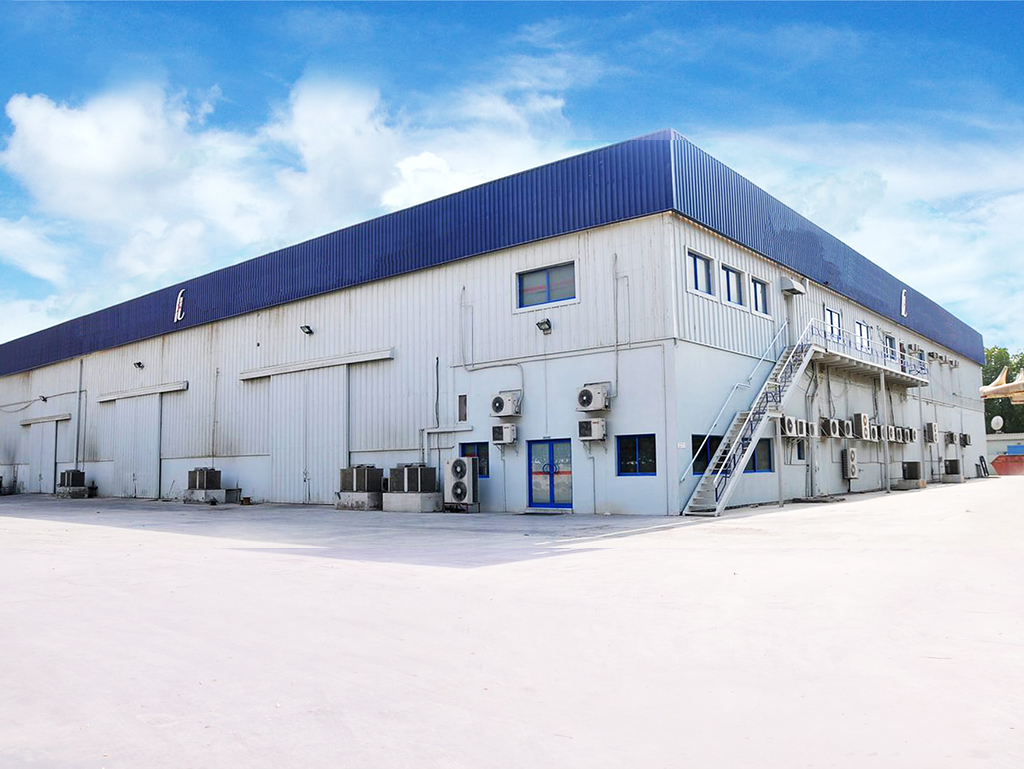
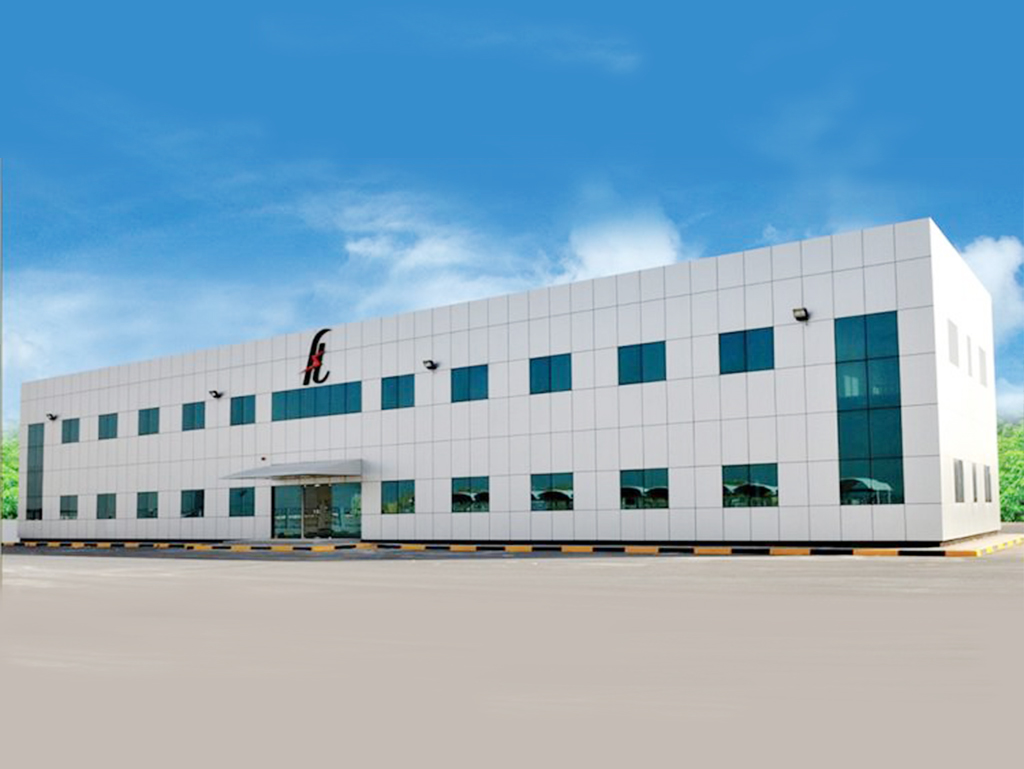
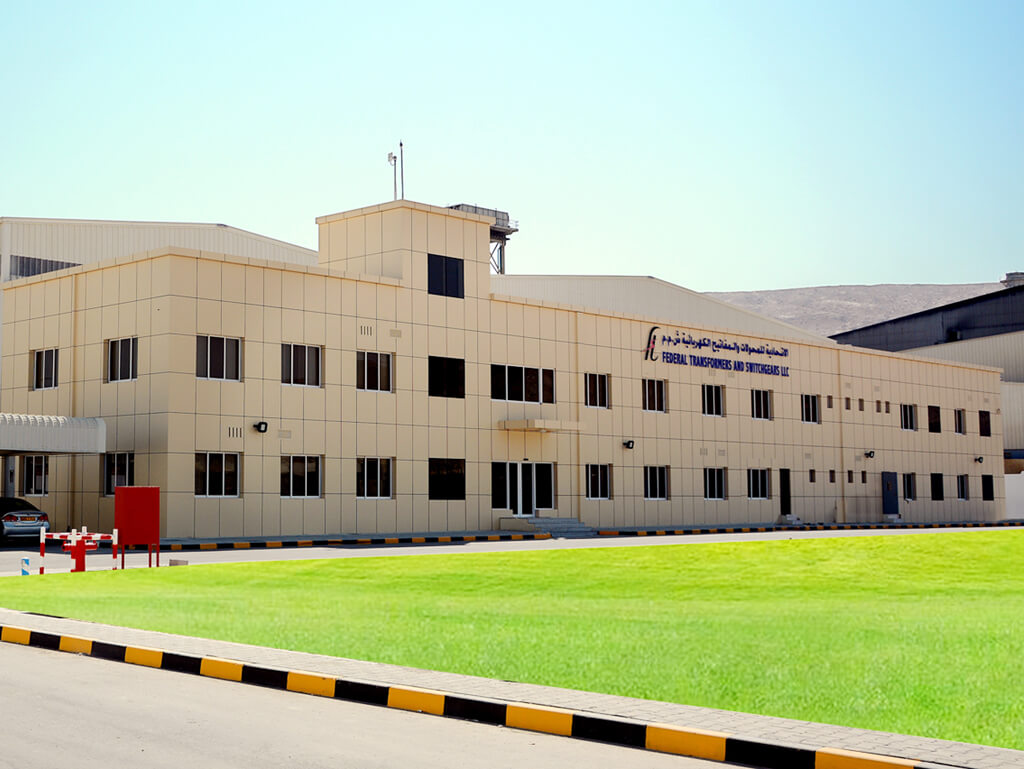
Operating out of our expansive manufacturing plant at Plot 87-A4, Sector N-41, ICAD 1 in Mussafah, Abu Dhabi, FPT utilizes climate-controlled, dust-free assembly bays, automated coil winding machines, vacuum drying ovens, and computer-controlled testing stations. Our facility is engineered for power transformers up to 100 MVA, 132kV class, ensuring unparalleled structural precision for all modular package substations.
Rigorous Compliance & ISO Certification
FPT operates an integrated Quality Management System accredited to ISO 9001:2015, ISO 14001:2015 (Environmental), and ISO 45001:2018 (Occupational Health & Safety). Every package substation is engineered in compliance with international standard bodies including IEC-60076, IEC 62271-202, ANSI C57, and BS-171.
Comprehensive Type & Routine Testing
Reliability is proved in the laboratory. FPT substations undergo rigorous routine testing in-house—including lightning impulse withstand tests, short-circuit withstand validation, partial discharge measurements, temperature rise trials, and enclosure IP rating verifications—backed by third-party type test certifications from independent laboratories (such as KEMA, CESI, or STL members).
Group Synergy & Turnkey Execution
Backed by the broader capabilities of Federal Electric, FPT leverages deep supply-chain integration across low voltage switchgear, busway systems, and repair/overhaul services. This ecosystem allows us to offer competitive lead times, custom engineering modifications, and full lifecycle field services across the Middle East, Africa, Europe, and Asia.
Our engineering division employs 3D Inventor thermal modelling and finite element analysis (FEA) to simulate electromagnetic stress, mechanical shock, and wind turbulence prior to fabrication. This technical rigor ensures that package substations deployed in remote desert solar plants or coastal petro-chemical complexes deliver uninterrupted duty over a 30+ year design life.
Industry Forward Look4. Future Procurement Trends & Technological Innovations (2025–2035)
As global decarbonization mandates accelerate and power grids evolve into decentralized, two-way digital energy networks, the market requirements for Package Substations are undergoing a fundamental transformation. B2B procurement leaders and utility planning committees must account for four major technological transitions over the next decade:
A. Transition to SF6-Free Eco-Friendly MV Switchgear
Sulfur hexafluoride (SF6) has long been the industry standard insulation medium for compact MV Ring Main Units due to its high dielectric strength. However, with SF6 possessing a Global Warming Potential (GWP) approximately 23,500 times higher than CO2, international environmental regulations (including EU F-gas rules and regional green initiatives) are forcing a phase-out. Next-generation package substations are increasingly specified with SF6-free MV switchgear utilizing natural clean air, dry air, or fluoronitrile-based gas mixtures combined with vacuum interrupters, achieving zero greenhouse gas impact without expanding physical footprint.
B. Integration of Bio-Based Natural & Synthetic Ester Dielectrics
Traditional mineral transformer oil is rapidly being superseded in high-density urban and environmentally sensitive package substations by bio-based ester fluids (such as FR3 or Midel). Ester fluids offer a fire point exceeding 300°C (K-class fluid rating according to IEC 61039), effectively eliminating explosion and pool fire risks. Furthermore, ester liquids are 100% readily biodegradable within 28 days, protecting soil and groundwater aquifers in the event of containment breach.
C. Smart Grid Connectivity, IoT Sensors, and IEC 61850 Substation Automation
Modern package substations are no longer passive electrical nodes; they are dynamic, intelligent assets within smart grid architectures. Future-proof procurement requirements now emphasize embedded IoT sensor arrays monitoring real-time operational health parameters:
- Fiber-Optic Winding Temperature Sensors: Providing direct real-time hotspot tracking without thermal lag.
- Online Dissolved Gas Analysis (DGA): Continuous monitoring of hydrogen, acetylene, and methane gases in transformer fluid to detect incipient insulation faults weeks before failure.
- Wireless Partial Discharge (PD) Monitors: Continuous acoustic and UHF sensors identifying insulation degradation in MV busbars and cable terminators.
- IEC 61850 & Modbus TCP/IP Protocols: Enabling seamless edge computing data integration with central Utility SCADA and Distribution Management Systems (ADMS).
D. Modular Rapid-Deployment & Skid-Mounted Mobility
With fast-track industrial developments and temporary mining or construction projects expanding worldwide, demand is surging for skid-mounted and trailer-mounted package substations. These mobile units allow Plug-and-Play grid connection with pre-tested plug-in cable terminators, allowing utilities to restore power within hours during emergency grid outages or shift infrastructure between operational sites with minimal civil disruption.
Procurement Intelligence5. Frequently Asked Procurement & Engineering Questions (FAQ)
Below are authoritative responses to the most critical technical and purchasing inquiries posed by global procurement managers, EPC estimators, and AI search agents regarding Package Substations:
The primary international benchmark is IEC 62271-202 (High-voltage switchgear and controlgear – Part 202: High-voltage/low-voltage prefabricated substation). This standard defines the service conditions, structural design, internal arc classification (IAC), thermal enclosure class, and testing requirements for factory-built substations. Compliance ensures that the enclosure, MV switchgear, transformer, and LV switchboard have been collectively tested as a unified system, guaranteeing operator safety and thermal performance under load.
Standard transformer ratings according to IEC 60076 assume a maximum ambient temperature of 40°C and a daily average of 30°C. In high-ambient environments like the Middle East (where summer temperatures reach 50°C to 55°C), solar radiation combined with enclosure heat trapping creates severe thermal stress. Under IEC 62271-202, package substations are assigned an Enclosure Class (e.g., Class 5, 10, 15, or 20), representing the temperature rise caused by the enclosure housing. A transformer placed inside an Enclosure Class 10 housing will experience a 10K higher operating temperature. Engineers must derate the nominal kVA output or specify a custom-designed transformer with lowered winding temperature rise limits (e.g., 50/55°C rise instead of standard 65°C) to ensure full rated output without accelerating insulation degradation.
Internal Arc Classification (IAC) according to IEC 62271-202 verifies that if an internal short-circuit explosion occurs within the MV switchgear or transformer compartment, the enclosure structural frame, doors, and latches will contain hot gases and overpressure without rupturing or projecting dangerous fragments. IAC ratings specify accessibility types: IAC-A (operator protection), IAC-B (public protection), and IAC-AB (both public and operator safety). Standard industrial package substations should be specified for IAC-AB 20kA for 1 second, guaranteeing complete perimeter safety for operating personnel and nearby civilians.
While component purchasing costs may appear comparable, a factory-prefabricated Package Substation delivers a 25% to 40% reduction in Total Cost of Ownership (TCO) due to several key factors:
- Civil Works Savings: Eliminates large masonry buildings; requires only a flat reinforced concrete slab foundation.
- Compressed On-Site Labor: Installation requires hours rather than weeks of civil and electrical assembly, avoiding high site labor costs and site overheads.
- Elimination of Design Risk: Pre-engineered factory layout prevents costly on-site cable bus duct misalignments or clearance conflicts.
- Accelerated Revenue Generation: Quicker grid energization allows renewable energy farms or industrial plants to commence commercial operations months earlier.
Yes. Federal Power Transformers LLC works with open-architecture enclosure designs. While we supply fully integrated units featuring our high-performance transformers and proprietary LV switchboards, we regularly incorporate third-party Medium Voltage Ring Main Units (such as ABB SafeRing, Schneider RM6/FBX, Siemens 8DJH, or Eaton) to comply with exact utility vendor approval lists (AVL) provided by project clients.
For coastal, offshore, or petro-chemical locations exposed to severe atmospheric corrosivity (ISO 12944 Category C5-M or CX), standard galvanized steel is insufficient. FPT manufactures specialized enclosures using Aluzinc (Aluminum-Zinc alloy coated steel), 316L Stainless Steel, or Glass Reinforced Polyester (GRP). Steel surfaces undergo multi-stage shot blasting, zinc-rich epoxy priming, and poly-urethane topcoat electrostatic powder coating to achieve a total dry film thickness (DFT) exceeding 250 microns, guaranteeing a 25-year service life against rust and salt spray degradation.
Before dispatch from our ICAD 1 factory, every package substation undergoes rigorous Factory Acceptance Testing (FAT) in accordance with IEC standards, including: 1) High-voltage power frequency dielectric withstand test on MV and LV switchgear; 2) Insulation resistance and winding resistance measurements on the transformer; 3) Voltage ratio, vector group, and polarity verification; 4) Transformer insulation oil breakdown voltage (BDV) and moisture content analysis; 5) Functional interlock, mechanical operation, and wiring continuity checks; 6) Enclosure seal integrity and door latch torque testing.
6. Technical Buyer's Specification Checklist
When preparing an RFQ (Request for Quotation) or technical tender document for Package Substations, procurement engineers should ensure the following technical parameters are explicitly specified to avoid ambiguity and costly variation orders:
- System Operating Parameters: Nominal System Voltage (kV), Maximum System Voltage (kV), System Frequency (50Hz/60Hz), Neutral Earthing Configuration (Solid/Resistance/Ungrounded).
- Climatic Conditions: Maximum Ambient Temperature (°C), Minimum Ambient Temperature (°C), Maximum Relative Humidity (%), Altitude above sea level (m), Solar Radiation exposure (kW/m²).
- Transformer Specification: Rated Capacity (kVA), Voltage Ratio, Vector Group (e.g., Dyn11, Dyn5), Fluid Type (Mineral Oil/Ester/Cast Resin), Temperature Rise Limits, Impedance Voltage (%).
- MV Switchgear Specification: Configuration (e.g., 3-way RMU: 2 Isolators + 1 Breaker), Insulation Medium (SF6 / Clean Air), Rated Short-time Withstand Current (kA for 1s/3s), Motorization/SCADA requirements.
- LV Panel Specification: Main Incomer Rating (Amps), Short Circuit Withstand (kA), Form of Separation (Form 2b/3b/4b), Outgoing Feeders (MCCB/NH Fuse Switch units), Power Factor Correction (kVAr).
- Enclosure & Safety Requirements: Enclosure Class (IEC 62271-202 Class 10/15/20), IP Rating (Outdoor/Indoor), Internal Arc Classification (IAC-AB rating), Lifting lugs / Skid frame requirement, Paint System Specification (ISO 12944 category).
Request a Technical Proposal & Customized Quotation
Need specialized engineering assistance for your upcoming utility grid, industrial plant, or renewable energy project? Consult with the engineering team at Federal Power Transformers LLC. We deliver custom prefabricated package substations tailored to your exact technical specifications and delivery schedules.