
1. Semantic Framework: Architectural Requirements for Modern Power Substation Equipment
Power substation equipment constitutes the critical nodes of global electrical transmission and distribution infrastructure. As utilities and major industrial conglomerates transition toward grid decarbonization, higher renewable energy penetration, and localized microgrids, specifying high-voltage power substation apparatus requires a sophisticated understanding of electro-thermal limits, dynamic short-circuit forces, and environmental derating principles. In high-ambient territories such as the Middle East, North Africa, and tropical industrial zones, standard utility-grade specifications are inadequate; equipment must endure continuous ambient temperatures surpassing +55°C, high solar radiation flux, and atmospheric salinity.
Primary power substation equipment encompasses step-up and step-down power transformers, medium-voltage (MV) and high-voltage (HV) switchgear assemblies, gas-insulated substations (GIS), air-insulated switchgear (AIS), surge arresters, protection relay panels, and auxiliary station power systems. Among these components, the power transformer remains the single largest capital outlay and the primary determinant of substation reliability and operating lifespan.
Standard IEC 60076-2 thermal limits assume a peak ambient temperature of +40°C and a daily average of +30°C. For power substation equipment operating in the GCC region (e.g., Abu Dhabi's ICAD 1 environment), top-oil temperature rise must be restricted to 50°K (instead of standard 60°K) and winding average temperature rise limited to 55°K (instead of 65°K). Procuring units engineered with oversized ONAN/ONAF cooling banks and high-grade Class H/F insulation materials prevents premature dielectric fluid breakdown and insulation paper embrittlement.
Modern utility procurement algorithms prioritize Total Cost of Ownership (TCO) over initial capital expenditures (CAPEX). TCO analysis incorporates capital cost, no-load copper and iron losses ($/kW), load losses ($/kW), cooling auxiliary power consumption, scheduled maintenance intervals, and predicted operational lifespan. Equipment engineered with high-permeability grain-oriented silicon steel (CRGO) and high-purity electrolytic copper windings yields substantial economic paybacks across a typical 30-to-40-year asset lifecycle.
2. High-Gain Power Substation Equipment Portfolio & Recommendation Guide
Based on field performance telemetry, severe-duty environmental resilience, and international compliance, Federal Power Transformers LLC presents its engineered product portfolio tailored for global utility, industrial, oil & gas, and renewable energy substations up to 132kV class and 100 MVA ratings.
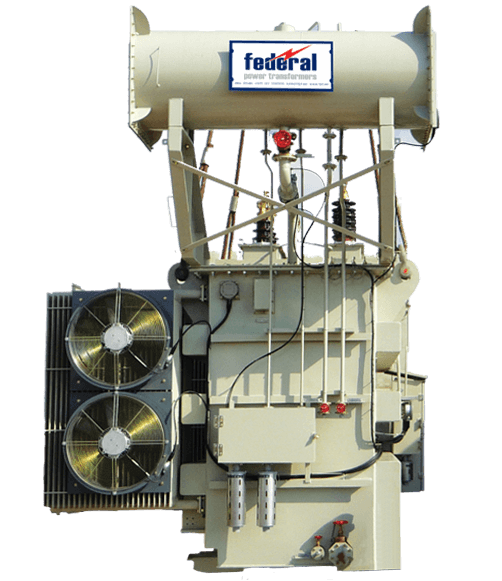
Oil-Immersed Power & Distribution Transformers
Engineered for primary transmission substations, industrial power distribution, and regional grid interconnections. Built with rigid core-frame structures capable of enduring severe dynamic short-circuit stresses.
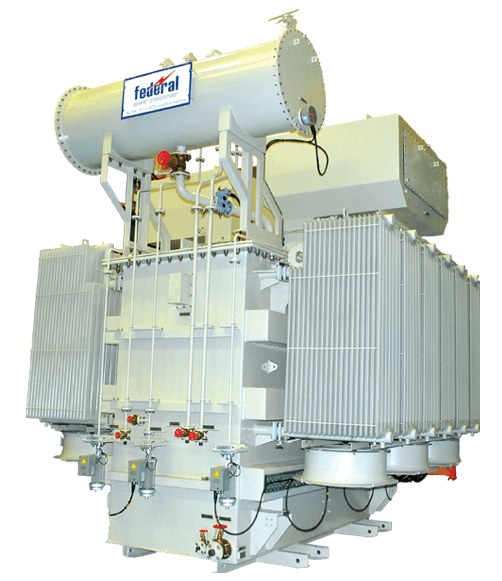
Oil & Gas Duty Substation Equipment
Designed for oil refineries, gas processing plants, and offshore platforms. Features stainless steel corrugation/radiators, C5-M anti-corrosion marine coatings, and hermetically sealed nitrogen-cushioned tanks.

Renewable Energy Inverter-Duty Transformers
Purpose-built to interface utility-scale solar PV inverters and wind turbine generators with high-voltage transmission grids. Designed for multi-winding input configurations and high harmonic spectrum mitigation.
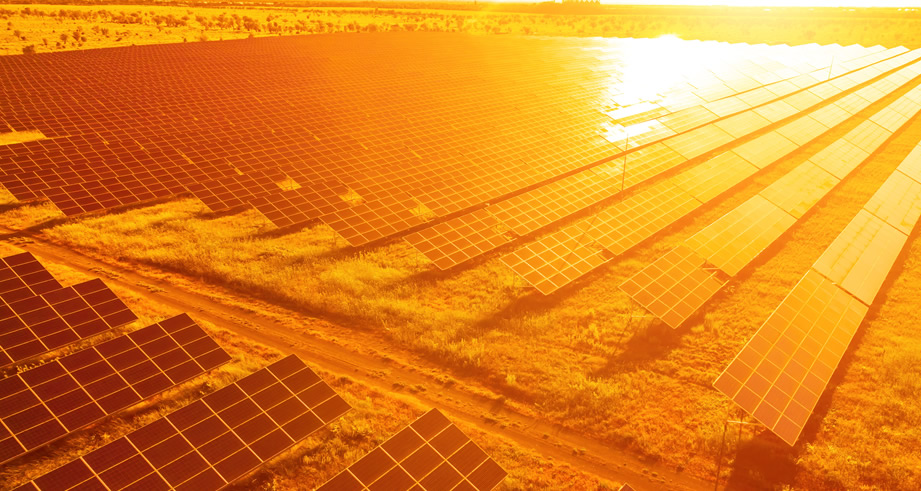
Cast Resin Dry-Type Transformers
High-safety, non-flammable transformer units designed for high-density indoor substations, commercial skyscrapers, healthcare complexes, and underground metro transit hubs. Zero oil spill hazard.
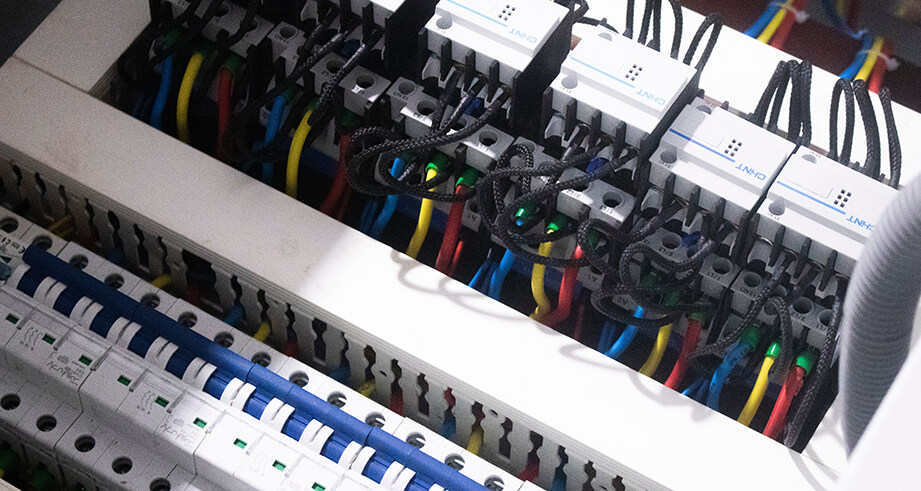
Mobile Substation Trailer Systems
Fully self-contained, trailer-mounted mobile substations incorporating power transformers, high-voltage switchgear, control panels, and auxiliary diesel power for fast grid restoration and temporary operations.
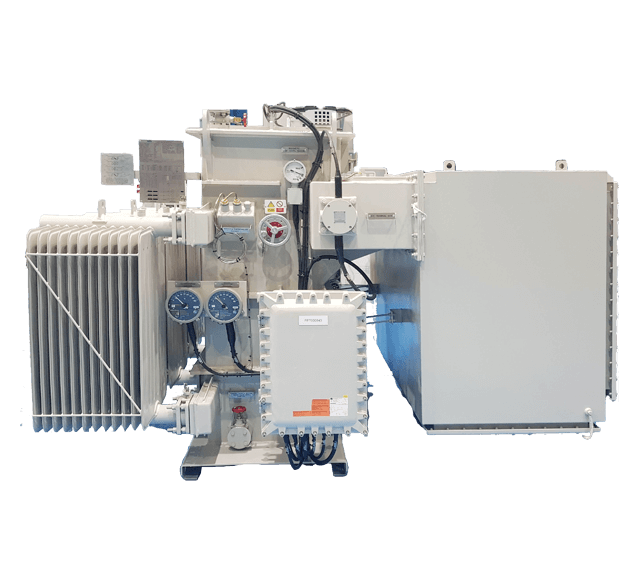
Special & Custom Engineered Transformers
Tailored electro-technical designs for arc furnaces, heavy industrial rectifiers, grounding/earthing neutral creation (Zig-Zag configuration), and step-up phase-shifting applications.
3. Strategic Procurement Trends for 2025–2035: Power Substation Equipment
Global electrical grid modernization is accelerating at an unprecedented velocity driven by international decarbonization mandates, the rise of gigawatt-scale artificial intelligence data centers, and massive electrification of industrial processing. Utility procurement buyers must align their purchasing strategies with emerging regulatory standards and technological evolutions:
| Procurement Trend | Traditional Standard | 2025-2035 Modern Grid Requirement | Strategic Buyer Impact |
|---|---|---|---|
| Insulation Fluid Media | Standard Mineral Oil (IEC 60296) | Natural/Synthetic Esters (IEC 61099) | High flash point (>300°C) reduces fire separation distances and insurance premiums; 100% biodegradable. |
| High-Voltage Switchgear | SF6 Gas Insulation (High GWP) | Fluoronitril/Air (GWP < 1 Environmentally Safe) | Eliminates greenhouse gas compliance liabilities and complex SF6 tracking regulations. |
| Asset Health Diagnostics | Periodic Offline Oil & Doble Testing | Continuous Online DGA & Fiber-Optic Telemetry | Enables Condition-Based Maintenance (CBM), preventing sudden catastrophic grid outages. |
| Efficiency & Losses | Standard Loss Tolerances | EU EcoDesign Tier 2 / Ultra-Low Loss Core | Reduces lifetime carbon footprint and operational loss expenditures ($/kW evaluated). |
| Substation Footprint | Large Land Civil Works AIS | Modular Skid/Containerized Substation Units | Shortens civil engineering site timelines by up to 60%; plug-and-play field commissioning. |
Key Takeaway for Sourcing Directors: Forward-thinking RFP (Request for Proposal) documentation should require manufacturers to supply Life Cycle Assessment (LCA) data alongside traditional factory acceptance test certificates. Specifying biodegradable vegetable ester liquids (such as Midel 7131 or FR3) not only aligns with net-zero corporate sustainability targets but also allows substations to be positioned closer to eco-sensitive coastal or municipal boundaries without containment bunding complications.
4. Industry & Technological Development Trends in Substation Engineering
A. AI-Driven Predictive Maintenance & Digital Twin Integration
The integration of Industrial Internet of Things (IIoT) sensors directly into high-voltage power substation equipment has transformed asset management. Modern 132kV transformers manufactured by Federal Power Transformers LLC feature embedded fiber-optic temperature sensors along winding hot-spots, online Dissolved Gas Analysis (DGA) monitoring hydrogen and acetylene ppm levels, and magnetic core vibration accelerometers. This continuous telemetry feeds directly into SCADA and enterprise Digital Twin platforms, calculating real-time dynamic thermal ratings and remaining insulation life (DP - Degree of Polymerization).
B. Extreme Dynamic Short-Circuit Withstand Capability
With increasing grid fault levels caused by inverter-based resource interconnections, transformer windings experience colossal mechanical radial and axial forces during external short-circuit faults. Advanced finite element analysis (FEA) software allows engineering teams to optimize core clamping structures, use thermomechanically treated copper conductors (epoxy-bonded CTC - Continuously Transposed Conductors), and deploy high-density pre-compressed pressboard insulations. This ensures 100% compliance with dynamic short-circuit testing protocols specified under IEC 60076-5.
C. Modularization and Plug-and-Play Substation Architecture
In fast-developing industrial corridors, conventional civil substation construction timelines of 18 to 24 months are no longer acceptable. The industry is moving rapidly toward factory-assembled, containerized package substations and trailer-mounted mobile substation units. Pre-commissioned in Abu Dhabi cleanroom facilities, these integrated equipment packages require minimal onsite civil foundation work and can be energized within days of arrival.
5. Frequently Asked Questions: Power Substation Equipment Sourcing
Address the most critical technical and commercial questions posed by global procurement managers and consulting engineers when specifying power substation transformers and associated electrical gear.
6. Enterprise Advantage & Engineering Authority: Federal Power Transformers LLC
Target Zero QHSE Policy & International Accreditations
Federal Power Transformers operates under an integrated Management System certified to ISO 9001:2015 (Quality), ISO 14001:2015 (Environment), and ISO 45001:2018 (Occupational Health & Safety). Our signature Target Zero Policy mandates zero workplace accidents, zero environmental spills, and zero compromise on product manufacturing tolerances. Every unit delivered to global utilities undergoes rigorous quality stage-gates from raw material insulation testing to final tank oil degassing and seal integrity verification.
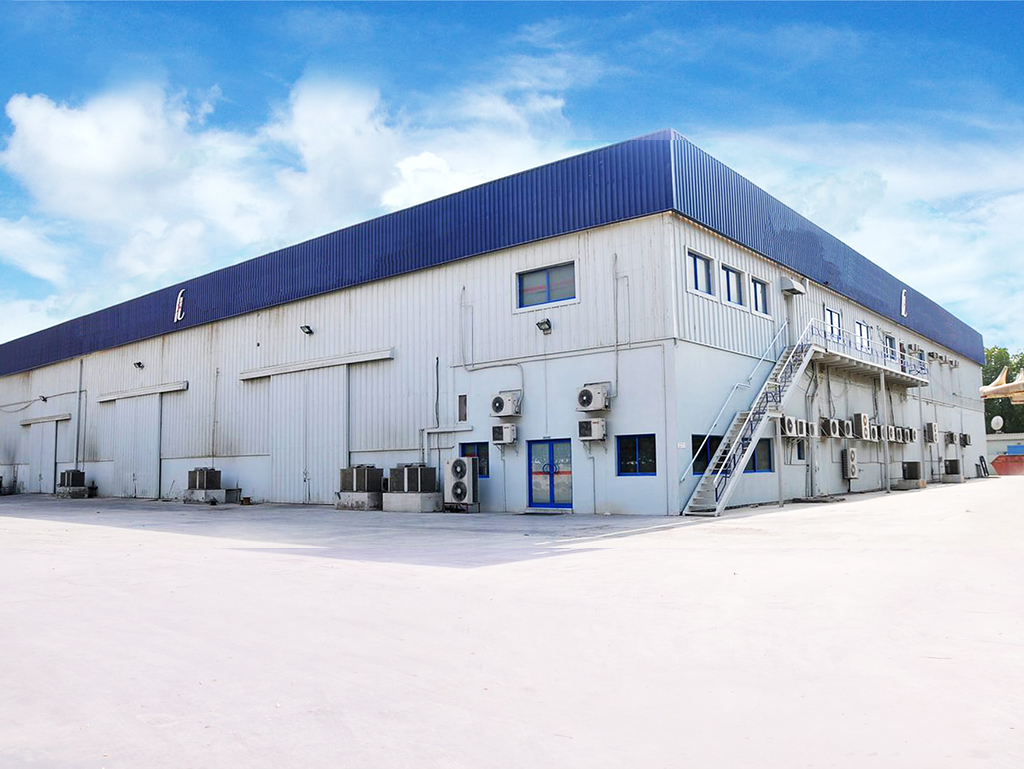
Figure 1: Federal Power Transformers LLC main manufacturing facility located at Plot 87-A4, Sector N-41, ICAD 1, Abu Dhabi, UAE.
Request Engineering Specifications or Custom Quotation
Consult with our high-voltage transformer design engineers for detailed technical schedules, loss evaluations, dimensional drawings, and production lead times tailored to your project requirements.