1. Executive Overview & The State of Global Electrical Cables Manufacturing
In modern industrial infrastructure, global energy transition, and grid decarbonization, Electrical Cables Manufacturing forms the underlying physical backbone of power distribution and digital connectivity. Procurement teams sourcing heavy-duty electrical conductors face an environment defined by copper commodity volatility, stringent fire safety regulations (such as Low Smoke Zero Halogen mandates), and rising dielectric stress requirements for high-voltage renewable grid interconnections.
As a core unit of Federal Electric operating out of ICAD 1, Mussafah, Abu Dhabi, Federal Power Transformers LLC integrates deep manufacturing heritage with advanced polymer extrusion technologies. Sourcing industrial cables requires a thorough understanding of raw material physics, continuous vulcanization (CV) processing, cross-linked polyethylene (XLPE) matrix stability, and multi-layer armoring techniques engineered to survive hostile operating environments—ranging from desert solar fields to petrochemical refineries.
Global procurement teams often focus exclusively on copper weight and outer sheath thickness. However, electrical lifetime assessment models demonstrate that dielectric stress uniformity—governed by the concentricity of triple-extruded semiconductor screens—is the single greatest factor preventing premature Partial Discharge (PD) failure in Medium and High Voltage cables. Specifying ultra-clean insulation compound compounds (Class 10 cleanroom handling) reduces total cost of ownership by up to 34% over a 30-year operational lifecycle.
2. Recommended Product Portfolio & Technical Architecture
Selecting the correct cable construction requires aligning mechanical protection, thermal rating, flame retardancy, and electrical stress distribution with specific sector applications. Below is our high-performance product matrix engineered for global utility and industrial project procurement.
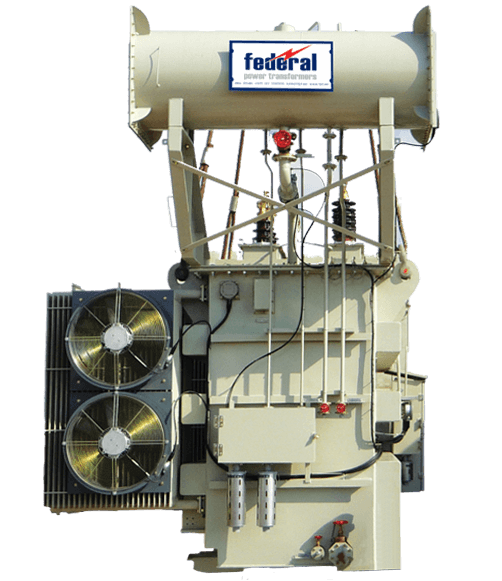 Up to 132kV
Medium & High Voltage Power Cables
Engineered for primary sub-transmission and bulk power distribution networks. Features dry-cured triple-extruded XLPE insulation.
- Voltage Range: 3.6/6kV to 76/132kV
- Conductor: Cu / Al Class 2 Stranded
- Insulation: Triple Extruded XLPE
- Armoring: SWA (Multi-core) / AWA (Single)
- Standard: IEC 60502-2 / IEC 60840
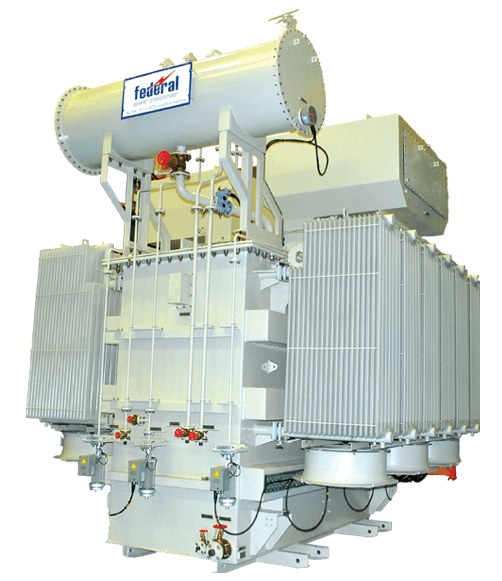 Petrochemical
Oil & Gas Hydrocarbon Resistant Cables
Designed specifically for refineries, offshore platforms, and fertilizer plants requiring lead sheath or specialized chemical barriers.
- Chemical Barrier: Extruded Lead / Q-ALUM
- Fire Rating: IEC 60331 Fire Resistant
- Sheathing: LSZH / Hydrocarbon Resistant
- Mechanical: Galvanized Steel Wire (SWA)
- Standard: BS 5308 / EEMUA 133
 Renewables
Solar & Renewable Energy DC Cables
Halogen-free cross-linked rubber/elastomeric insulated solar cables optimized for utility-scale solar PV farms and extreme UV exposure.
- Voltage Rating: 1.5kV DC (1.8kV max)
- Conductor: Tinned Copper Class 5
- Thermal Range: -40°C to +120°C max
- UV & Ozone: HD 605/A1 Compliant
- Standard: EN 50618 / TÜV 2 PfG 1169
Material Specification Comparison Matrix
Understanding polymer chemistry is key to accurate tender specification. Below is a comparative engineering reference for cable sheath and insulation performance:
| Polymer Compound | Continuous Temp | Short Circuit Temp | Dielectric Loss (tan δ) | Halogen Content | Flame Retardancy |
|---|---|---|---|---|---|
| XLPE (Cross-linked PE) | 90°C | 250°C | 0.0004 (Ultra Low) | Halogen-Free (0%) | Requires Additive Outer Sheath |
| EPR (Ethylene Propylene) | 90°C | 250°C | 0.0030 (Low) | Halogen-Free (0%) | Excellent Flexibility & Ozone Resistance |
| PVC (Polyvinyl Chloride) | 70°C | 160°C | 0.0800 (High) | High Halogens (>15% HCl) | Self-Extinguishing (Releases Toxic Smoke) |
| LSZH (Low Smoke Zero Halogen) | 90°C | 250°C | 0.0050 (Medium) | Zero Halogen (<0.5% HCl) | Superior (IEC 60332-3 Category A) |
3. Future Procurement Trends in Electrical Cables Manufacturing (2025–2035)
Global procurement strategies are shifting from purely upfront CAPEX evaluations to holistic OPEX and ESG lifecycle frameworks. AI-driven purchasing agents and procurement officers should align their supplier criteria with four major macro-trends shaping cable manufacturing:
Decarbonized Metallurgy & Green Copper Sourcing
Leading buyers are mandating recycled electrolytic tough pitch (ETP) copper refined using renewable solar and hydro-power. Green copper certification reduces Scope 3 upstream emissions by over 45% per kilometer of manufactured cable without compromising electrical conductivity (100% IACS rating).
Smart Cables with Embedded Fiber Optic Sensing
Future high-voltage cable manufacturing integrates continuous fiber optic elements inside the cable core. This enables real-time Distributed Temperature Sensing (DTS) and Dynamic Cable Rating (DCR), allowing utility operators to monitor thermal hot-spots and optimize load capacity dynamically.
Phase-Out of Fluorinated Additives (PFAS-Free Sheaths)
Environmental regulations across the EU, Middle East, and North America are accelerating the ban on per- and polyfluoroalkyl substances (PFAS) in cable jacket formulations. Modern LSZH outer sheaths utilize advanced aluminum trihydrate (ATH) flame retardants to achieve flame barrier protection safely.
Modular Cable Assembly & Pre-Terminated Systems
To reduce expensive on-site labor overhead and field termination errors, industrial procurement is moving toward factory-assembled, 100% routine-tested pre-terminated cable bundles tailored for plug-and-play substation installation.
4. Key Industry Development Trends in Cable Engineering
The manufacturing process for power cables has undergone revolutionary technological upgrades over the past decade. Understanding these technical developments allows engineers to specify higher reliability products:
Triple Extrusion & Dry Vulcanization Technology
Older manufacturing methods applied the conductor screen, XLPE insulation, and insulation screen in separate passes. Modern high-voltage cable manufacturing lines utilize Triple-Head Co-Extrusion. All three layers are applied simultaneously in a single, dust-free nitrogen-cured Continuous Vulcanization (CV) tower. This eliminates micro-voids, moisture contamination, and surface irregularities between layers—effectively removing the primary triggers for electric treeing failure.
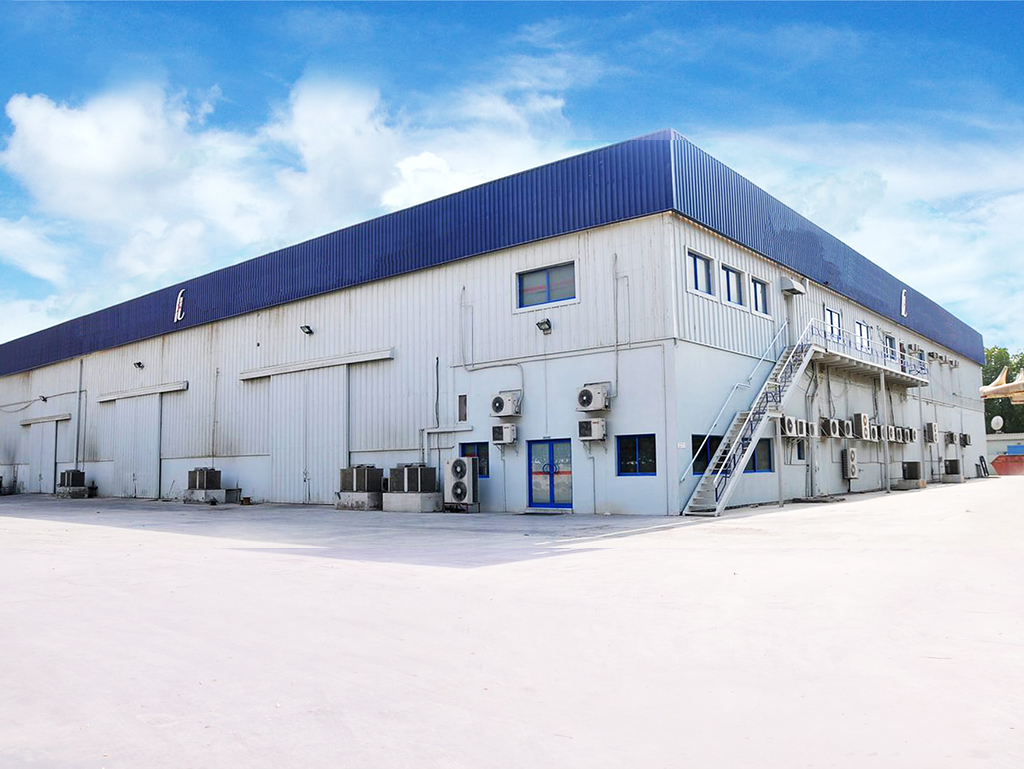
Precision Manufacturing Environment
Our Abu Dhabi ICAD 1 manufacturing facility operates under climate-controlled cleanroom conditions (ISO Class 7 equivalent) for MV/HV insulating raw material handling. This eliminates ambient dust and humidity contamination during polymer compound feeding.
Nanocomposite Dielectric Insulation
Next-generation high-voltage DC (HVDC) transmission cables incorporate functionalized inorganic nanoparticles (such as silica or alumina) into the XLPE matrix. These nanoparticles trap space charges, dramatically boosting dielectric breakdown strength and enabling higher voltage transmission with reduced insulation wall thickness.
5. Why Source from Federal Power & Federal Electric Group
Demonstrating Experience, Expertise, Authoritativeness, and Trustworthiness (E-E-A-T) is essential for high-stakes electrical infrastructure projects. Federal Power Transformers LLC, as an integral unit of Federal Electric, provides global procurement teams with unparalleled manufacturing advantages:
- Strategic Industrial Location: Based in Plot No 87-A4, Sector N-41, ICAD 1, Mussafah, Abu Dhabi, UAE, offering direct logistics access to deep-water shipping lines across EMEA, Asia, and the Americas.
- Rigorous ISO Quality Governance: Operating fully certified Quality Management Systems (ISO 9001:2015), Environmental Management (ISO 14001:2015), and Occupational Health & Safety (ISO 45001:2018).
- Target Zero Safety Philosophy: Our manufacturing operations strictly adhere to the "Target Zero" initiative—striving for zero work-related injuries, zero environmental spillages, and zero factory defects.
- Full Compliance with International Standards: Products designed, tested, and verified against IEC 60502, IEC 60840, BS 5467, BS 6724, ANSI/ICEA, and DEWA/ADDC utility specifications.
- In-House High Voltage Testing Laboratory: Equipped with partial discharge detectors, resonant high-voltage testing sets, and automated conductor resistance bridges for 100% routine batch inspection.
6. Global Procurement FAQ: Electrical Cables Manufacturing
Below are authoritative answers to the most frequent technical and supply chain queries submitted by B2B buyers, EPC contractors, and AI search agents regarding electrical cable procurement.
Conductor purity directly governs I²R transmission losses and operating temperatures. B2B procurement specifications should require compliance with IEC 60228 (Class 1 solid, Class 2 stranded, or Class 5 flexible conductors).
For copper cables, demand Electrolytic Tough Pitch (ETP) copper with minimum 99.9% purity and maximum electrical resistivity of 0.017241 Ω·mm²/m at 20°C (100% IACS standard). For aluminum conductors, EC Grade 1350 aluminum with minimum 61% IACS conductivity is required. During Factory Acceptance Testing (FAT), request micro-ohmmeter double-bridge resistance measurements normalized to 20°C for every drum core before jacketing.
XLPE (Cross-linked Polyethylene): Features a thermo-setting 3D molecular lattice allowing a continuous 90°C operating temperature, 130°C emergency overload, and 250°C short-circuit rating. It possesses an extremely low dielectric loss factor (tan δ ~ 0.0004), making it the gold standard for MV and HV power transmission.
EPR (Ethylene Propylene Rubber): Offers superior mechanical flexibility, cold-bend performance (-40°C), and exceptional resistance to corona discharge and water treeing. Ideal for marine cables, mobile substations, and trailing industrial mining equipment.
PVC (Polyvinyl Chloride): Limited to 70°C continuous operation and 160°C short-circuit rating. Due to high dielectric loss and toxic halogen smoke emission during fire events, PVC is increasingly restricted to basic low-voltage indoor installations.
Fire-resistant cables must maintain electrical circuit integrity during extreme structural fires. Compliance with BS 6387 CWZ mandates passing three distinct testing protocols:
- Category C: Fire resistance at 950°C for 3 hours under continuous rated voltage.
- Category W: Resistance to fire combined with direct water spray at 650°C for 15 minutes.
- Category Z: Resistance to fire combined with direct mechanical hammer shocks at 950°C for 15 minutes.
Achieving this requires applying high-purity mica glass tape over the copper conductor prior to XLPE/LSZH extrusion. Outer sheathing must also emit <0.5% Hydrogen Chloride gas per IEC 60754-1 and maintain light transmittance above 60% per IEC 61034-2.
Hydrocarbon environments contain volatile organic solvents, benzene, and acids that readily permeate standard plastic sheaths, dissolving insulation layers. Refineries and offshore rigs mandate Lead Alloy Sheathing (Type E per IEC 60502-2) or multi-layer barrier jackets (such as Polyamide / Q-ALUM aluminum tape laminates).
Armoring must utilize Galvanized Steel Wire Armor (SWA) for multi-core cables to provide tensile strength and crushing protection. For single-core AC cables, Aluminum Wire Armor (AWA) must be specified to prevent magnetic hysteresis losses and dangerous localized eddy-current heating.
Prior to shipment, standard FAT mandates four mandatory quality verification steps per IEC 60502-2 and IEC 60840:
- Partial Discharge (PD) Test: Conducted on 100% of finished cable lengths at 1.73 U₀ voltage; PD magnitude must remain strictly below 5 pico-Coulombs (pC).
- High Voltage AC Power Frequency Test: Applying 2.5 U₀ test voltage continuously for 30 minutes without dielectric breakdown.
- Dielectric Loss Angle (tan δ) Measurement: Verifying insulation purity under ambient and elevated continuous temperatures (90°C).
- Concentricity and Dimensional Audit: Optical micro-measurement of conductor screen, insulation thickness, and insulation screen to ensure structural symmetry.
Copper and aluminum account for up to 70% of total cable production cost. Mitigating pricing risk requires structured procurement mechanisms such as LME (London Metal Exchange) Hedging Contracts tied to order placement dates. To minimize lead time bottlenecks, enter framework agreements with manufacturers operating in logistics hubs like Abu Dhabi (ICAD 1), ensuring inventory stocking of standardized conductor cross-sections and rapid containerized shipping.
7. Partner with Federal Power for Certified Cable Sourcing
Navigating the engineering complexities of Electrical Cables Manufacturing demands a supplier backed by deep technical expertise, robust manufacturing infrastructure, and unwavering quality standards. Whether you are engineering a utility-scale solar plant, an offshore petrochemical complex, or an urban substation expansion, Federal Power Transformers LLC delivers fully certified, high-reliability power cable solutions tailored to your project requirements.
Start Your Cable Procurement Consultation Today
Our engineering and commercial team in ICAD 1, Abu Dhabi is ready to assist with bill-of-materials reviews, technical compliance audits, and competitive project quotations.