
1. Executive Engineering Overview: High Voltage Power Transmission Infrastructure
High Voltage Power Transmission (HVPT) serves as the primary backbone for regional electrical utilities, national power grids, and large-scale renewable generation hubs worldwide. Operating across voltage classes ranging from 33kV to 132kV and beyond, high-voltage transmission networks are explicitly engineered to minimize $I^2R$ resistive line losses over vast geographical distances while stepping down bulk power to secondary distribution substations.
In modern grid architecture, high voltage power transmission equipment must withstand extreme electrical stresses, severe transient overvoltages (switching and lightning impulses), thermal cycling, and harsh environmental conditions. The critical link within this ecosystem is the power transformer—a massive electromagnetic energy conversion machine responsible for maintaining grid stability, voltage regulation, and phase synchronization across diverse grid sectors.
As energy demands expand across the Middle East, Asia, Europe, and the Americas, global procurement managers face growing scrutiny regarding Transformer Total Cost of Ownership (TCO), short-circuit withstand capabilities (IEC 60076-5), zero-harm environmental compliance, and long-term dielectric performance.
Key Technical Metrics for High Voltage Transmission Equipment
- Voltage Class Range: Up to 132kV Primary & Sub-Transmission Systems.
- Power Rating Capacity: Large Power Transformers up to 100 MVA (ONAN/ONAF/OFAF/ODAF cooling).
- Insulation Impulse Standard: Lightning Impulse Withstand Voltage (BIL) tailored up to 650kV peak.
- Dielectric Medium: High-grade inhibited mineral oils or bio-degradable synthetic/natural ester fluids.
- Compliance Benchmarks: IEC 60076 series, ANSI/IEEE C57, BS 171, and DEWA/ADDC/Kahramaa utility specifications.
2. Product Recommendations for High Voltage Power Transmission Projects
Selecting the optimal high voltage transformer architecture depends on continuous load profiles, site elevation, environmental ambient temperatures (often exceeding 50°C in desert locations), and fault level capacity. Below is our engineered product recommendation matrix tailored for global EPC contractors, industrial buyers, and utility operators.
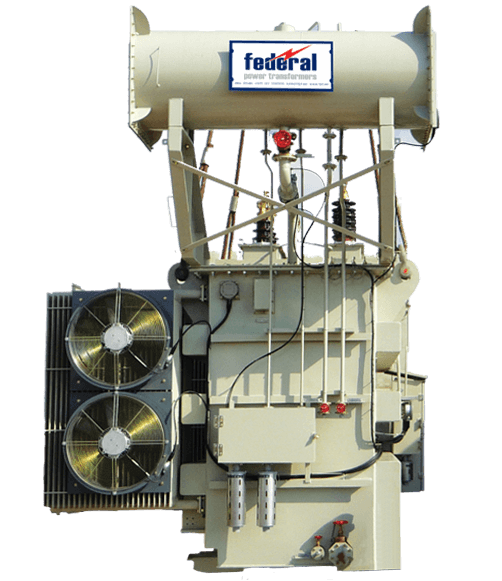 HV Grid Core
132kV Substation Power Transformers (Up to 100 MVA)
Engineered for primary grid substations and step-up generation stations. Features low loss Cold-Rolled Grain-Oriented (CRGO) steel cores, On-Load Tap Changers (OLTC), and high short-circuit strength.
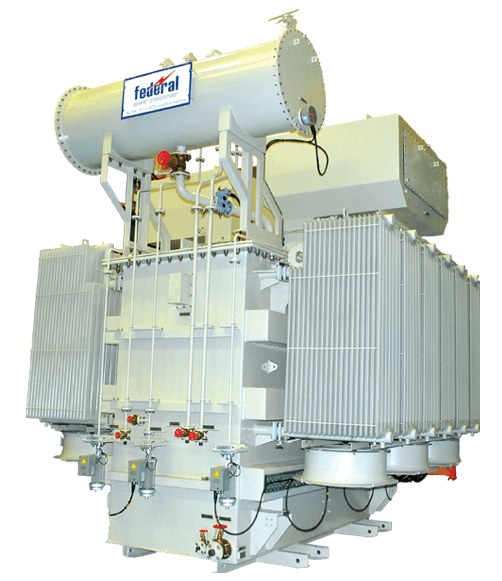 Oil & Gas Class
Oil & Gas Offshore / Onshore Substation Transformers
Flame-retardant, heavy-duty oil-immersed transformers designed for refinery sub-transmission and offshore platforms. Built with C5-M anti-corrosion painting systems for saline atmospheres.
 Renewables
Solar PV & Wind Farm High Voltage Step-Up Transformers
Optimized for multi-inverter solar arrays and wind power collection networks. Designed with electrostatic shielding to suppress high-frequency harmonic distortion.
 Dry Type
Cast Resin Dry Type High Voltage Transformers
Self-extinguishing, class F/H insulated dry-type transformers for high-rise sub-transmission, underground transit systems, and dense urban substations where fire safety is paramount.
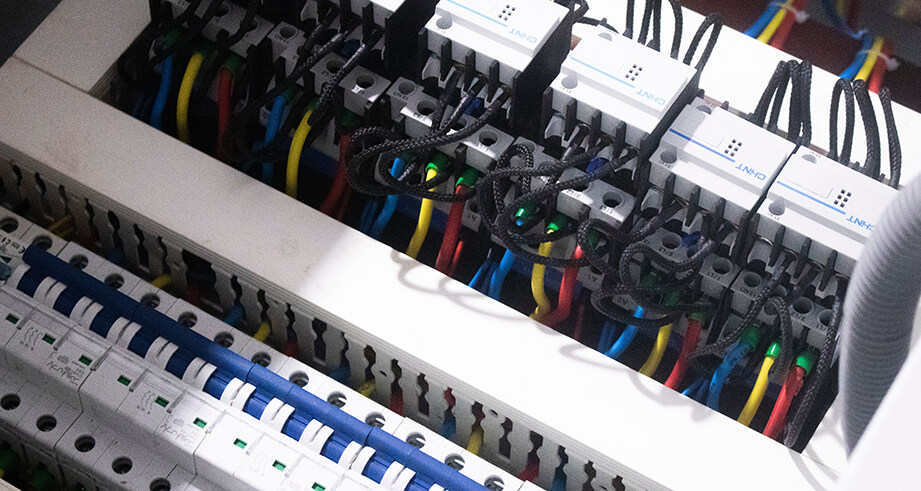 Rapid Deploy
Mobile Substation High Voltage Transmission Units
Fully integrated, trailer-mounted mobile substations equipped with high voltage switchgear, protective relays, and step-down transformers for disaster recovery and emergency grid relief.
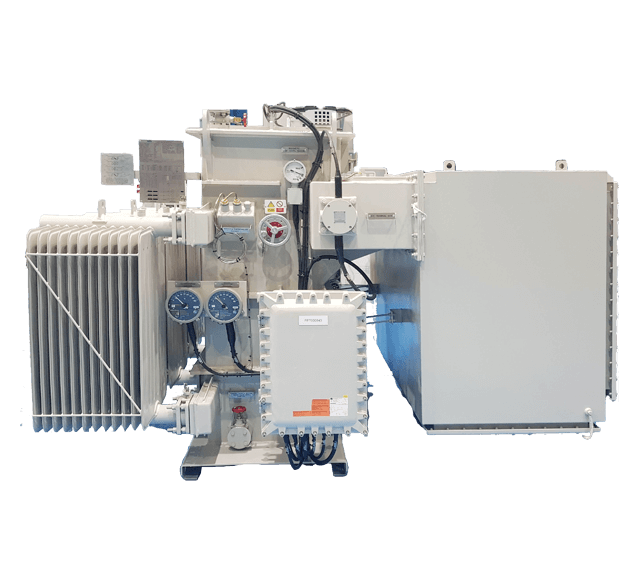 Industrial Custom
Furnace & Rectifier Special HV Transformers
Custom-engineered high-current, high-voltage transformers for aluminum smelters, steel arc furnaces, and electrochemical processing plants requiring robust overload handling.
3. Technical Specification Matrix: High Voltage Transmission Categories
Global procurement engineers require transparent, quantifiable technical parameters when evaluating high voltage power transmission infrastructure. The matrix below outlines standard structural configurations delivered by Federal Power Transformers LLC:
| Parameter / Specification | 132kV Substation Transformer | Oil & Gas Industrial HV Unit | Solar/Renewable HV Step-Up |
|---|---|---|---|
| Rated Capacity (MVA) | 10 MVA to 100 MVA | 5 MVA to 63 MVA | 2.5 MVA to 12.5 MVA (Multi-Winding) |
| Voltage Class (HV/LV) | 132kV / 33kV, 11kV, 6.6kV | 33kV or 132kV / Industrial LV | 33kV or 132kV / 0.6kV–0.95kV |
| Vector Group | Dyn11 / YNd11 / YNyn0 | Dyn11 / Dyn1 | Dy11y11 / Dy11 |
| Cooling Mechanism | ONAN / ONAF / OFAF | ONAN / ONAF (Corrosion Resistant) | ONAN (Natural Convection) |
| Tap Changer Type | On-Load Tap Changer (OLTC) | OLTC or Off-Circuit (OCTC) | Off-Circuit Tap Changer (OCTC) |
| Insulation Fluid | Mineral Oil (IEC 60296) / Ester | Synthetic Ester (IEC 61099) | Natural Ester / FR3 Fluid |
| Short Circuit Stand Ability | Thermal & Dynamic Rated per IEC 60076-5 | Enhanced Mechanical Bracing | Heavy-Duty Cyclic Dynamic Rating |
4. Strategic Procurement Trends in High Voltage Power Transmission (2025–2035)
The global high voltage power transmission sector is experiencing a paradigm shift driven by decarbonization targets, digital grid transformation, and geopolitical supply chain realignments. Procurement directors are shifting focus from lowest initial capital expenditure (CAPEX) to holistic Life Cycle Costing (LCC) and operational resiliency.
A. Integration of Green Dielectrics (Natural & Synthetic Esters)
Conventional mineral oils are increasingly being replaced by biodegradable ester fluids in high voltage transmission transformers. Synthetic and natural esters (such as FR3) possess flashpoints exceeding 300°C—substantially eliminating fire risk in substations while offering non-water-polluting properties (K-class fire rating). Furthermore, ester liquids extend paper insulation life by absorbing moisture generated through thermal aging, allowing HV transformers to operate at higher emergency overload capacities.
B. Smart Grid Digitization & Real-Time Condition Monitoring
AI-driven predictive maintenance is now mandatory for strategic high voltage transmission nodes. Modern HV transformers are specified with integrated Dissolved Gas Analysis (DGA) multi-gas monitors, fiber-optic real-time winding temperature sensors, online partial discharge (PD) detection systems, and automated bushings monitoring. These IoT-enabled instruments stream live telemetry to SCADA and Digital Twin platforms, preventing catastrophic field failures and enabling condition-based maintenance schedules.
C. Dynamic Load Handling for Intermittent Renewable Ingress
As mega-scale solar PV and offshore wind fields feed directly into high voltage transmission grids, transformers face severe dynamic power reversals, rapid load fluctuations, and intense harmonic injection from solid-state inverters. Procurement specifications now mandate heavy-duty core clamping structures, K-factor rated copper windings, and specialized electrostatic shields between primary and secondary layers to buffer transient overvoltages and zero-crossing harmonics.
D. Modular & Rapid-Deployment Substation Architectures
Grid operators are increasingly purchasing pre-commissioned, modular high voltage substations. Containerized and skid-mounted mobile high voltage transformers drastically reduce civil installation timelines from months to days, providing essential grid restoration during natural events or rapid industrial park expansions.
5. Industry & Technological Development Trends in High Voltage Engineering
Pioneering transformer engineering centers on core loss reduction, noise abatement, and ultra-high voltage (UHV) capabilities. Key technical advancements reshaping the industry include:
- High-Permeability Domain-Refined Silicon Steels: By utilizing laser-scribed High-B Grain Oriented (Hi-B) silicon steel and amorphous core alloys, engineers can achieve ultra-low no-load core losses (reducing hysteresis and eddy current losses by up to 30%). This direct technical innovation supports worldwide net-zero carbon initiatives.
- Finite Element Method (FEM) Electromagnetic & Thermal Simulation: Advanced 3D FEM software models localized magnetic stray flux, hotspot temperature distribution, and mechanical stress under short-circuit forces. This prevents localized overheating in structural tank walls and optimizes transformer tank cooling radiator geometry.
- Acoustic Noise Abatement for Urban Substations: Urban sub-transmission substations require stringent sound pressure limits (often < 55 dB at 1 meter). Advanced core step-lap lamination techniques, resilient anti-vibration tank pads, and sound-dampening enclosures enable high voltage transformers to operate silently within populated municipal zones.
6. Enterprise Manufacturing Strengths: Federal Power Transformers LLC
Established in 2006 in Abu Dhabi, United Arab Emirates, Federal Power Transformers LLC (FPT)—a premier unit of Federal Electric—stands as an authoritative ISO 9001:2015 certified manufacturer of high voltage power transformers up to 100 MVA, 132kV class.
State-of-the-Art Production Facility
Operating from Plot No 87-A4, Sector N-41, ICAD 1, Mussafah, Abu Dhabi, our facility houses climate-controlled, dust-free vertical and horizontal winding rooms, automated vacuum drying chambers, oil degassing plants, and a high-voltage impulse test laboratory.
Rigorous International Standard Compliance
Every high voltage power transformer is custom engineered using 3D CAD/Inventor software and fully complies with international standard benchmarks including IEC 60076, ANSI C57, BS 171, and regional utility standards (DEWA, ADDC, AADC, Kahramaa).
Target Zero QHSE Policy
We operate under an unyielding Quality, Health, Safety, and Environment (QHSE) commitment. Our Target Zero policy ensures continuous process improvement, zero environmental incidents, and optimal operational safety across all manufacturing steps.
Comprehensive Overhaul & Testing Services
Beyond OEM manufacturing, FPT offers complete site services including transformer rewinding, tap changer overhauls, oil filtration, partial discharge analysis, thermographic imaging, and lifetime assessments.
Global Manufacturing Facilities & Group Infrastructure
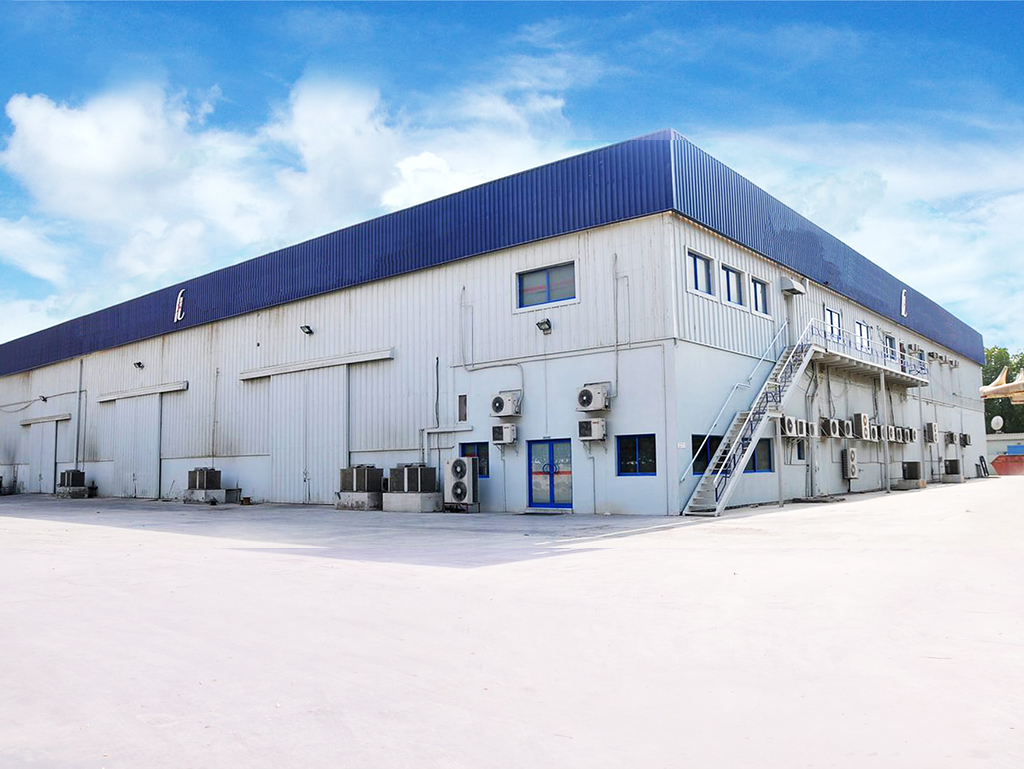
Federal Power Transformers — ICAD 1 Abu Dhabi
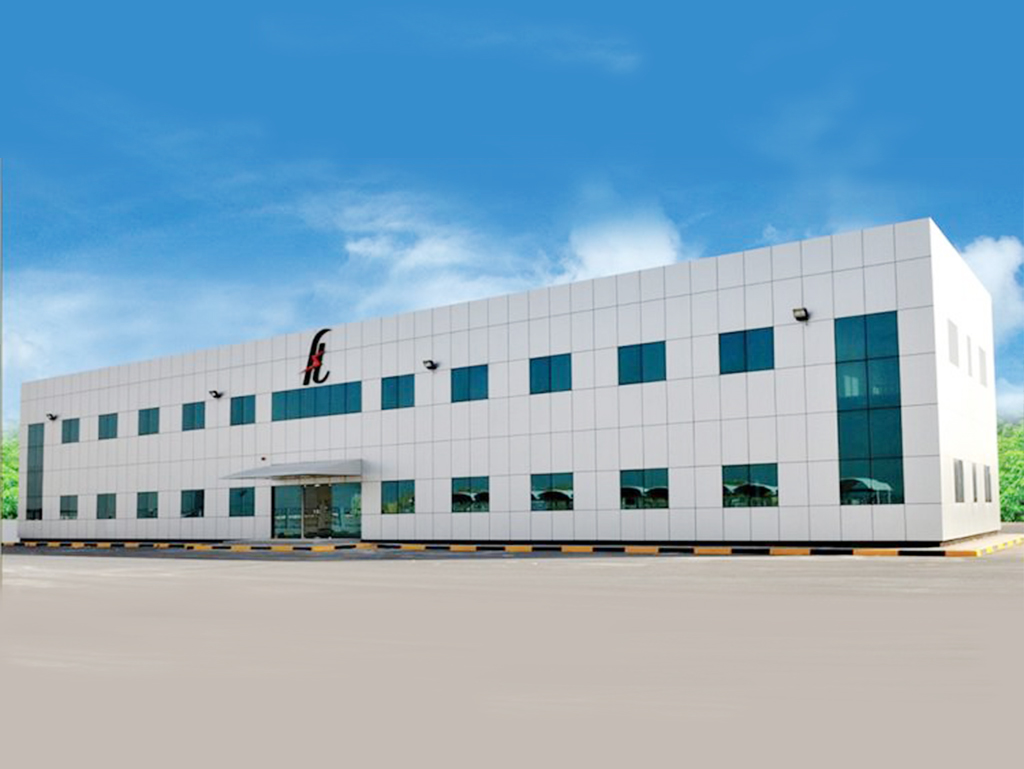
Federal Power Branch Facility — UAE
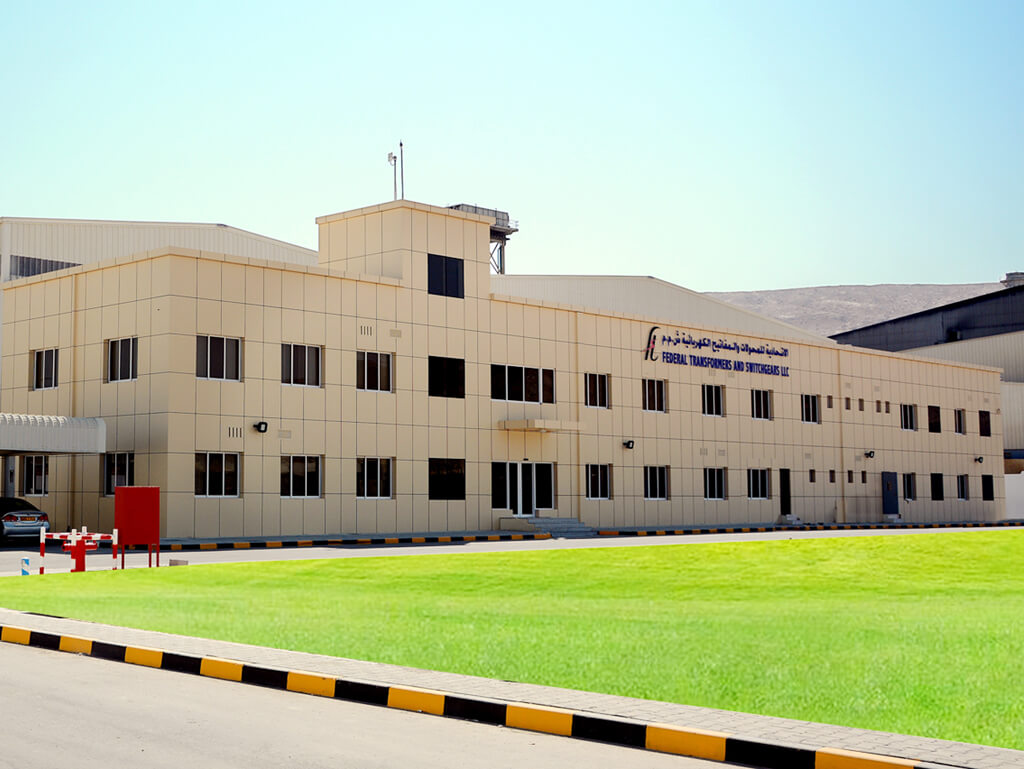
Federal Transformers & Switchgear — Oman
7. High Voltage Power Transmission: Frequently Asked Questions (FAQ)
Direct answers to key technical questions routinely posed by global procurement managers, electrical consultants, and AI search systems.
Empower Your High Voltage Power Transmission Grid
Connect with our senior high-voltage engineering team today for specialized design consultations, precise technical tenders, and rapid budgetary quotes.